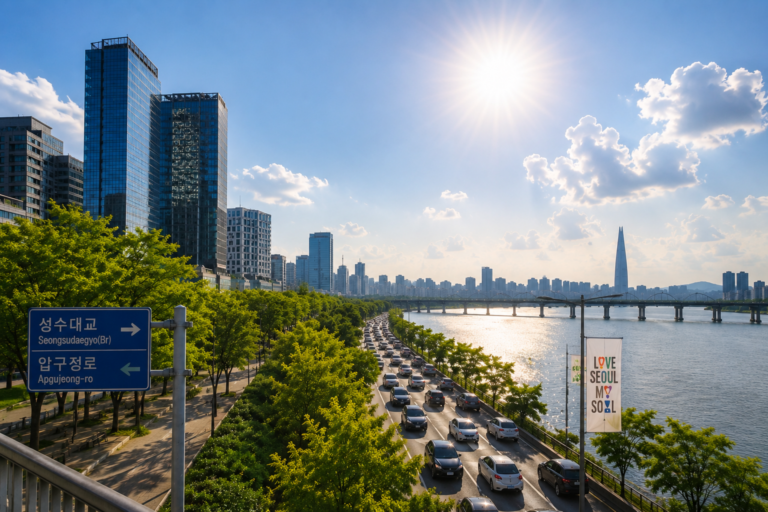
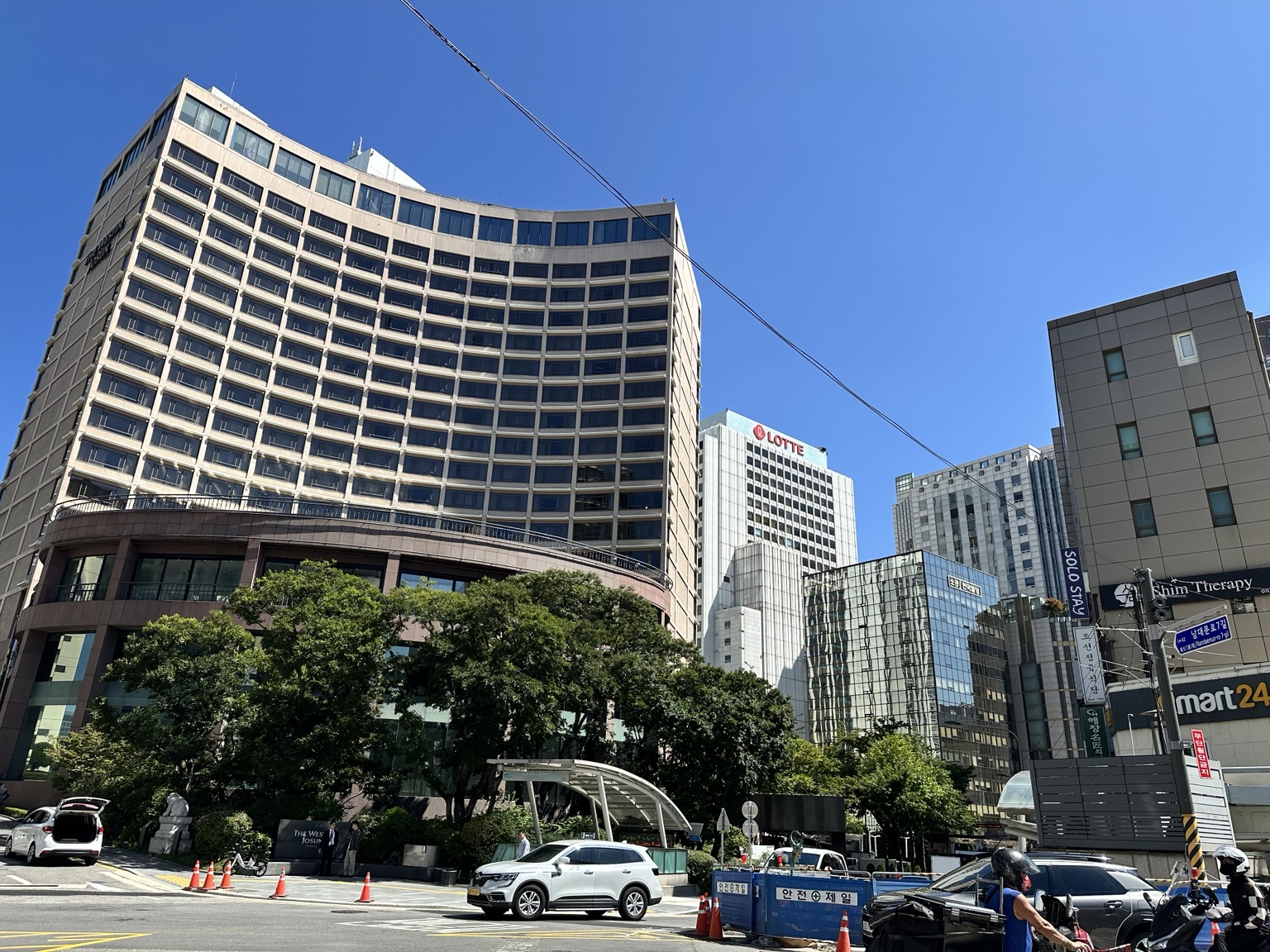
Where to Stay in Seoul: The Best Neighborhood for Your Trip
How to Choose Where to Stay in Seoul
Choosing where to stay in Seoul can be surprisingly difficult.
Not because there are too few good neighborhoods, but because there are too many — and they offer very different versions of the city.
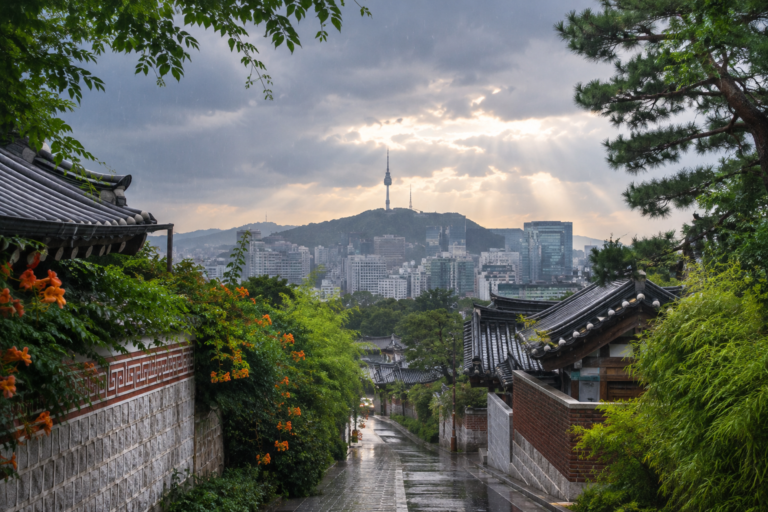
Stay near Bukchon and you can step outside in the morning to tiled roofs, palace walls, traditional craft shops, and quiet residential alleys. Stay around Hongdae and the streets may still be buzzing when you are thinking about going to bed. In Seongsu, an old industrial building may have become the newest fashion or beauty pop-up. Cross the Han River to Gangnam, and the city becomes polished, convenient, modern, and increasingly purpose-driven.
I live in Seoul, but while preparing this guide, I went back out and walked these neighborhoods again specifically as a traveler would.
I walked through Bukchon and Seochon, Myeongdong and central Jung-gu, Seongsu, Hongdae and the surrounding Mapo neighborhoods, Itaewon and Hannam, and different parts of Gangnam. I looked at more than attractions. I paid attention to what was outside the hotels, how the streets felt, where people ate, how easy it was to move around, what happened at night, and whether I would actually want to return here after a long day of sightseeing.
And after all that walking, my answer is:
There is no single best neighborhood in Seoul. The best place to stay is the one that puts the Seoul you came for outside your door.
Quick Answer: Where Should You Stay in Seoul?
If you do not want to read this entire guide before booking your hotel, start here.
| If you want… | I would start with… |
|---|---|
| The easiest all-around base for a first trip | Myeongdong |
| Palaces, hanok, history, and traditional Seoul | Jongno / Bukchon |
| Energy, shopping, nightlife, and lots happening outside | Hongdae / Mapo |
| Fashion, cafés, pop-ups, and contemporary Seoul | Seongsu |
| Nightlife and international food | Itaewon / Hannam |
| K-beauty, medical treatments, luxury, dining, or business | Gangnam |
| Lotte World and an East Seoul-focused itinerary | Jamsil |
If this is your first trip to Seoul and you have no particular reason to stay somewhere else, I would probably start with Myeongdong.
But that recommendation can change very quickly once your itinerary develops a personality.
1. Myeongdong: The Best All-Around Base for a First Trip
Best for: First-time visitors, shopping, convenience, short trips, travelers who want an easy central base
If someone visiting Seoul for the first time asked me to choose a hotel area without showing me their itinerary, Myeongdong would probably be my safest answer.
Not because it is my favorite neighborhood in Seoul.
Because it makes Seoul easy.
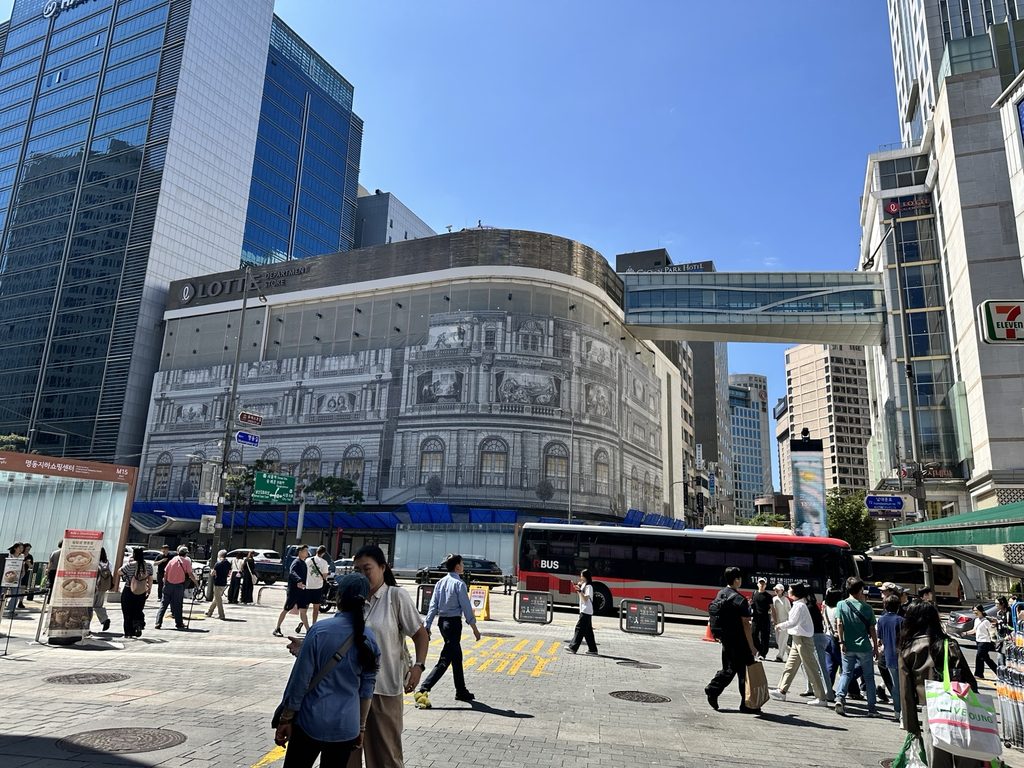
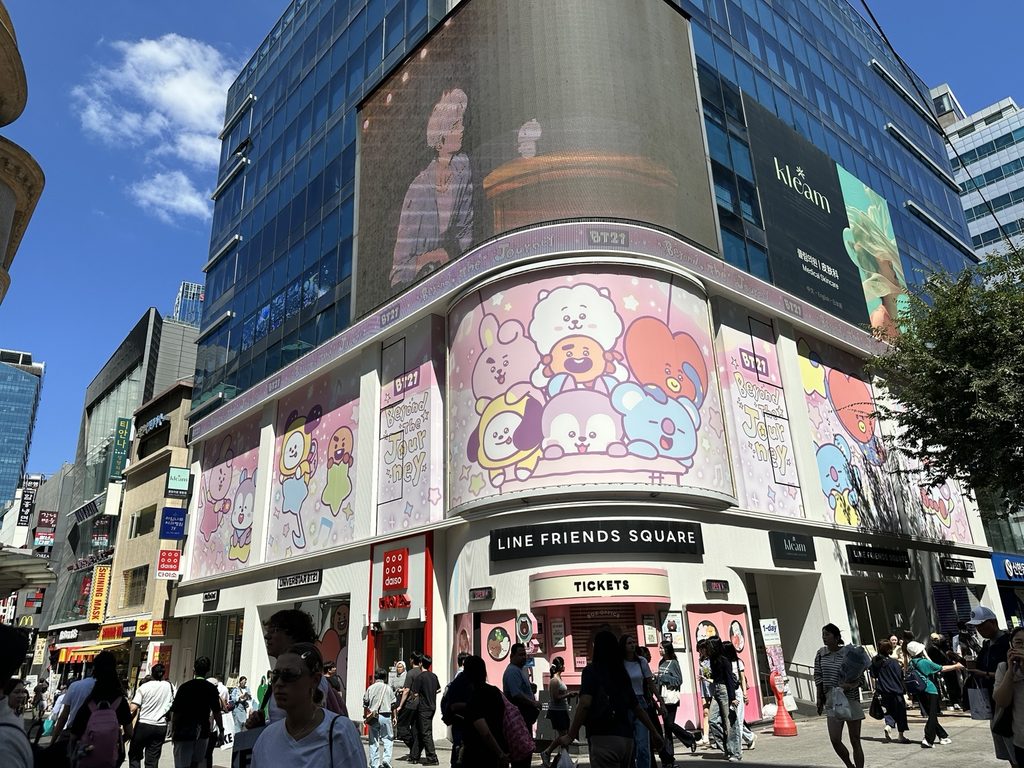
I recently used the Lotte Hotel Seoul area as my imaginary base and walked outward from there.
What struck me again was how much of central Seoul sits within an unusually convenient radius.
Myeongdong itself is essentially an ongoing shopping district. Beauty stores, fashion, restaurants, cafés, convenience stores, street food, department stores, and currency exchange are everywhere. International visitors are expected here, and navigating basic travel needs feels relatively effortless.
But Myeongdong is more than its shopping streets.
Walk toward Myeongdong Cathedral and the neighborhood changes. Move toward City Hall and you are suddenly among major offices, banks, government buildings, media companies, and embassies.
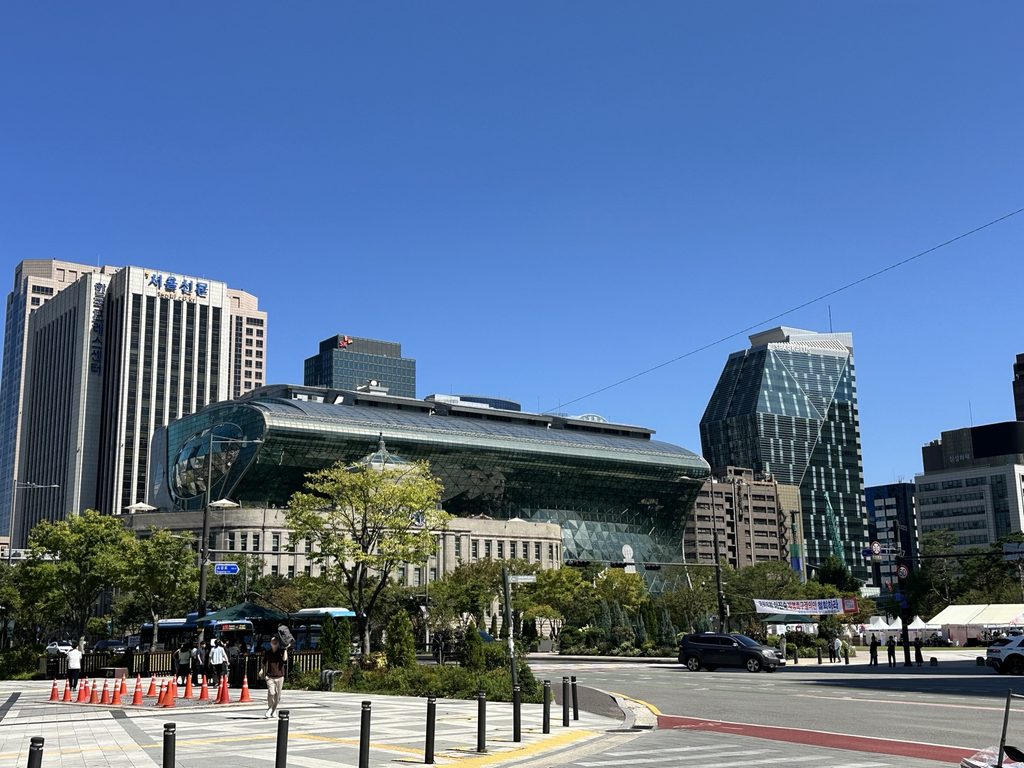
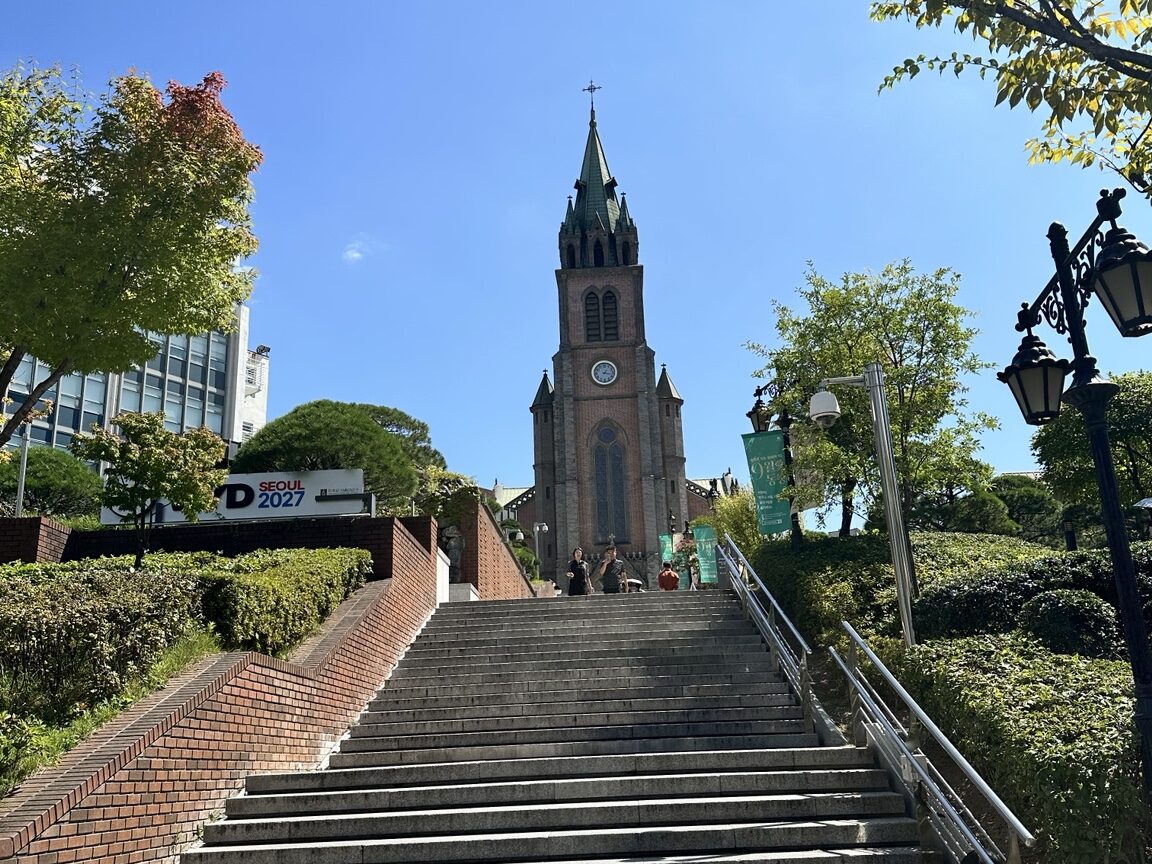
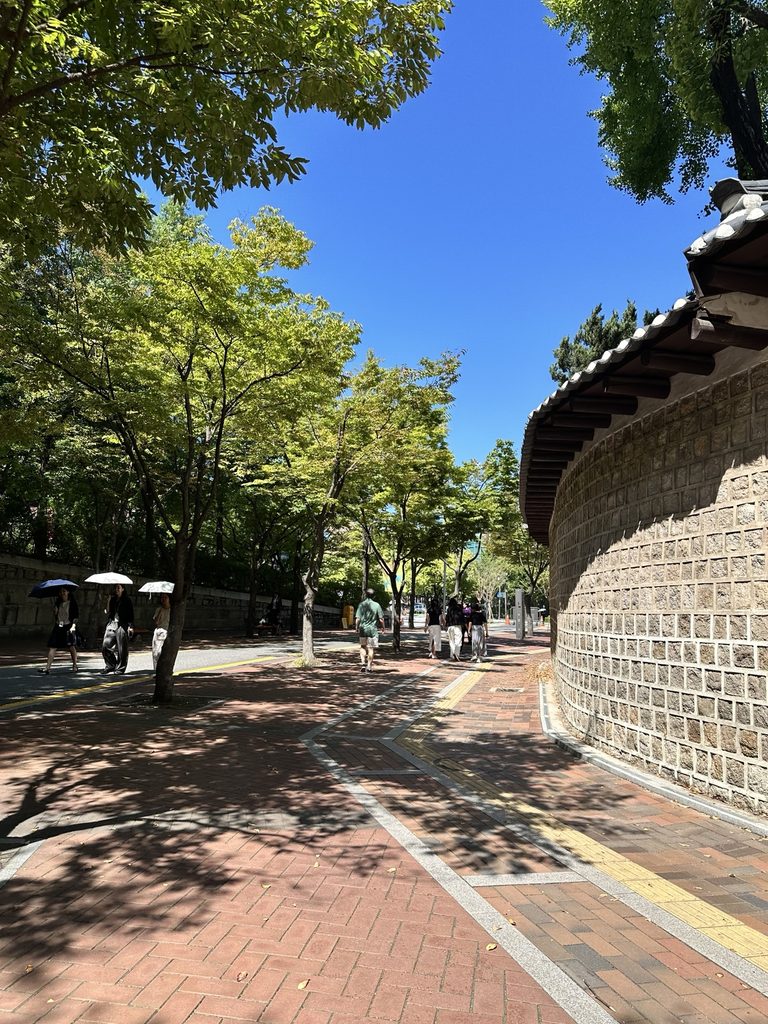
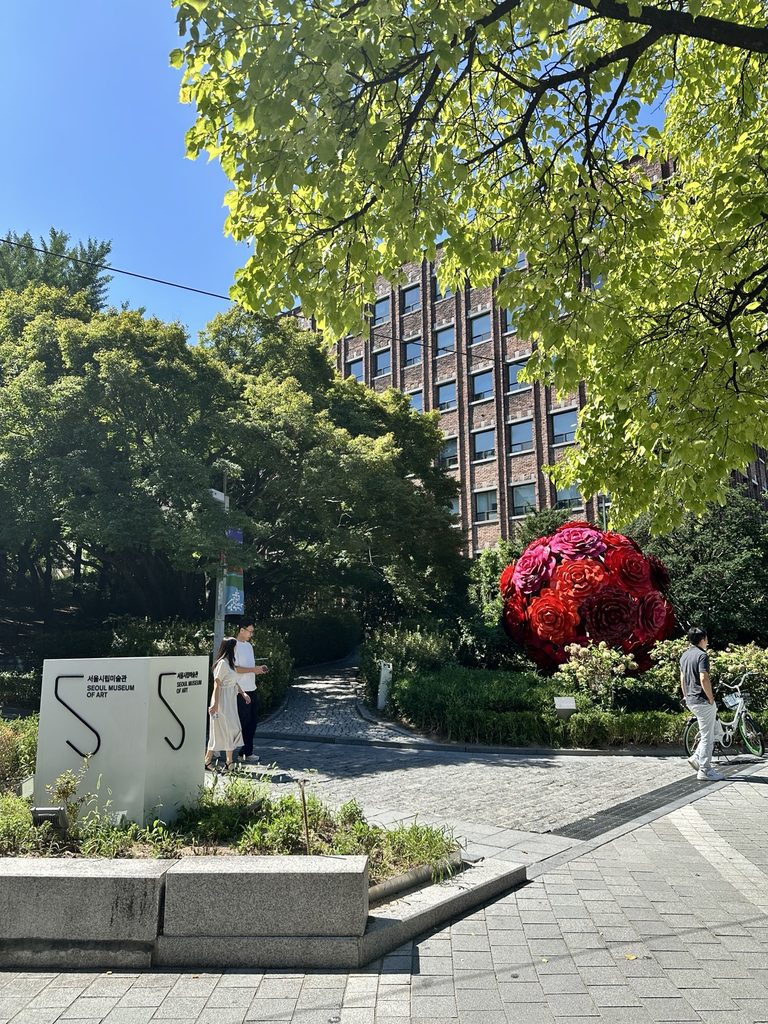
Then there is Deoksugung.
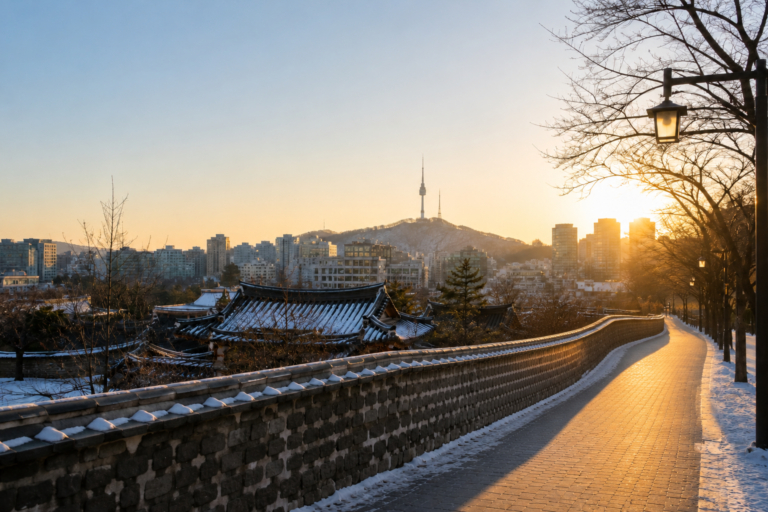
The stone-wall road beside the palace is one of those small Seoul experiences that can get lost when Myeongdong is described simply as a shopping district. Nearby Jeongdong adds churches, historic buildings, diplomatic architecture, and quieter streets.
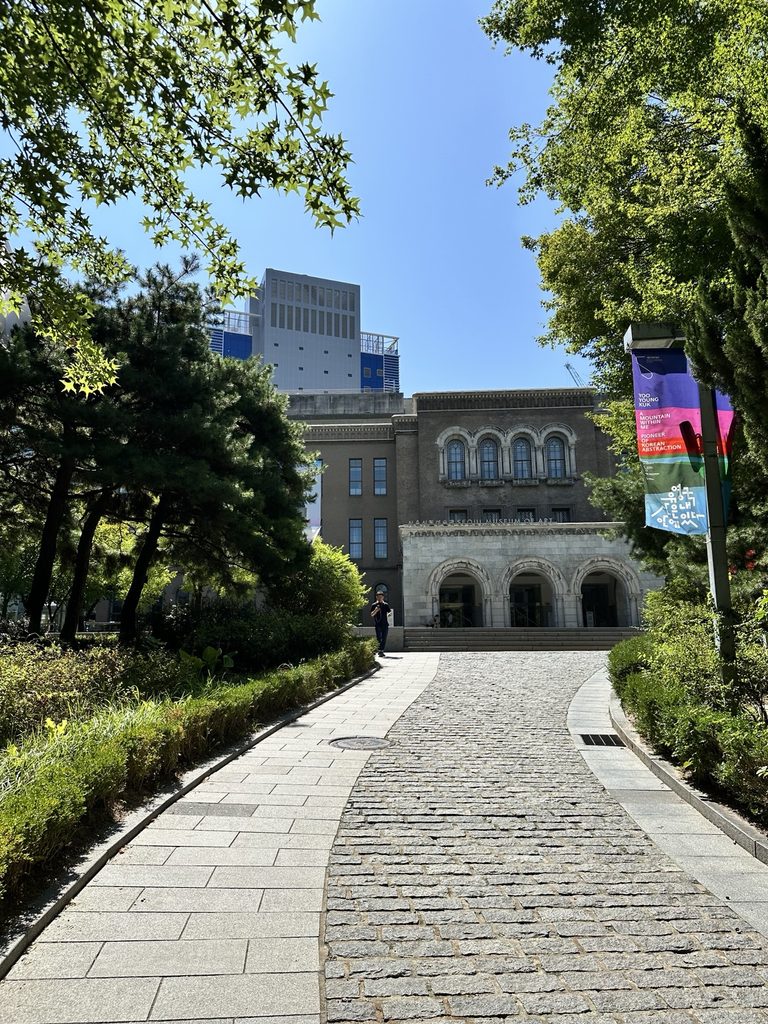
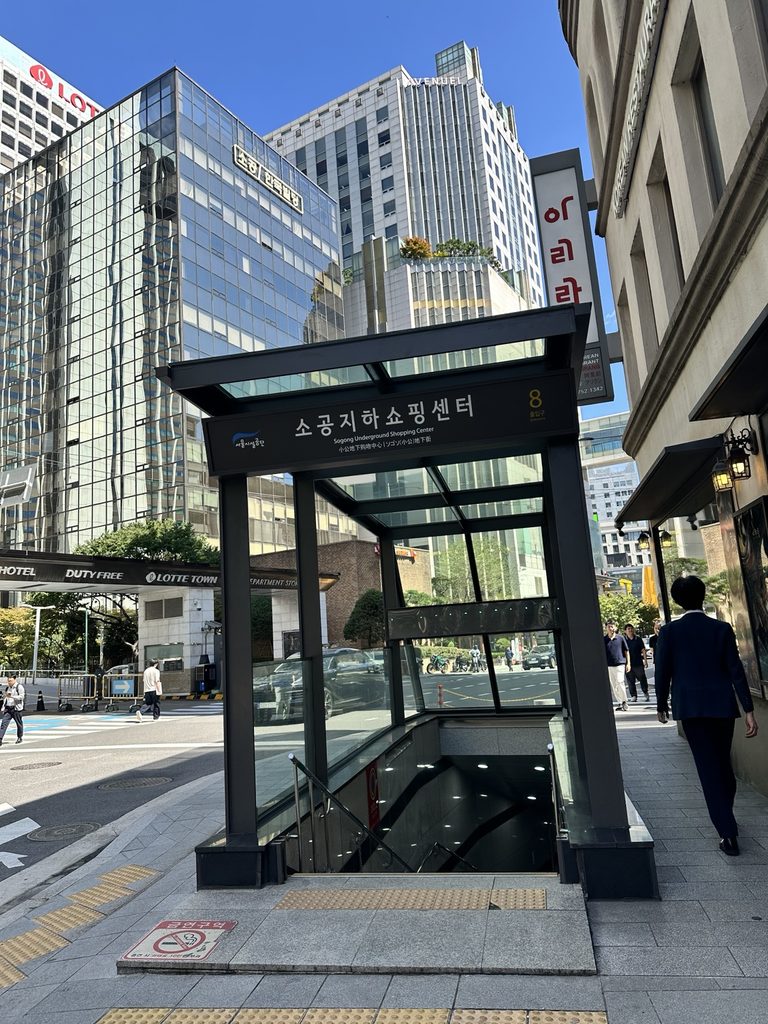
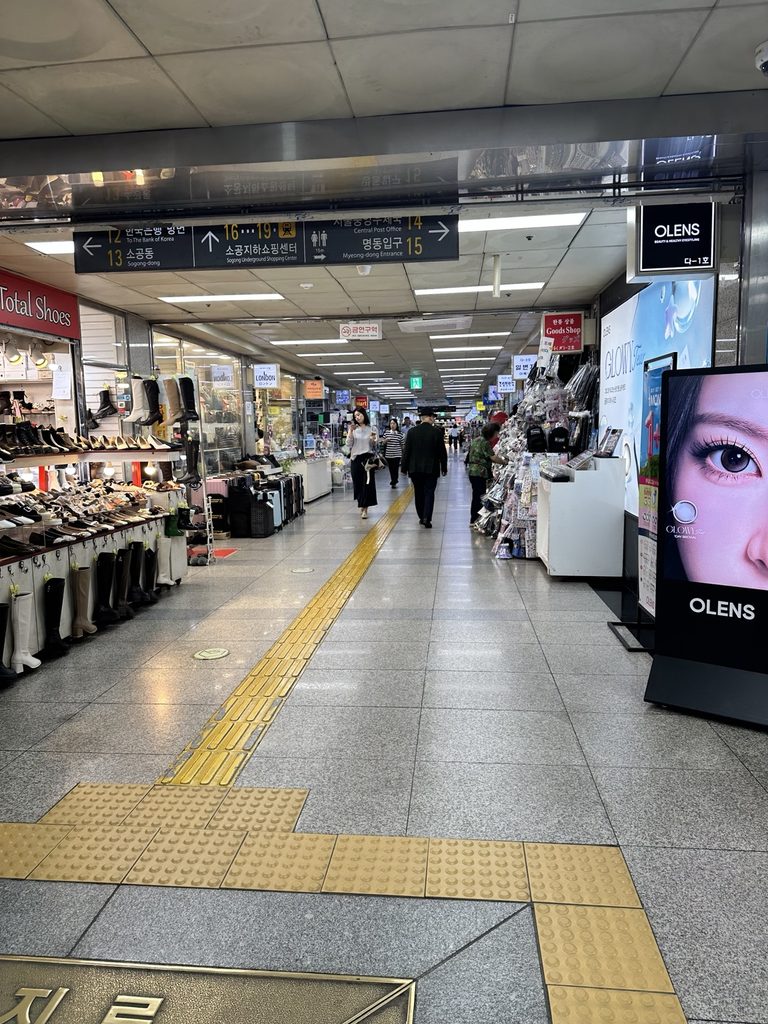
One of the most practical surprises is how extensively the underground passages around Sogong-dong connect parts of this area. On bad-weather days, being able to cover meaningful distances underground without repeatedly crossing major roads can be genuinely useful.
Myeongdong also feels particularly convenient when your sightseeing is scattered.
You are not committing yourself completely to historic Seoul, nightlife Seoul, or Gangnam Seoul.
You are staying in the middle and going out to sample all of them.
The downside
Myeongdong is busy, commercial, and heavily oriented toward visitors.
If your dream is to wake up in a quiet hanok neighborhood or feel as though you are temporarily living in a residential corner of Seoul, this probably is not it.
And if you have already visited Seoul several times, you may find another neighborhood more interesting.
My take
Myeongdong is not necessarily the most exciting answer. It is the answer I am least likely to regret giving a first-time visitor.
For a five-night first trip with a varied itinerary, this is where I would start looking.
2. Jongno & Bukchon: Stay Inside Historic Seoul
Best for: First-time visitors, history, architecture, palaces, traditional culture, walking, travelers who want Seoul itself to feel like an attraction
If Myeongdong makes Seoul easy, Jongno makes Seoul feel like Seoul.
This became even clearer to me when I went back to Bukchon specifically for this guide.
I got off at Anguk Station intending to look at the neighborhood as a possible accommodation base. Several hours later, I had walked through hanok alleys, past craft shops and galleries, toward palace and government areas, and into streets where traditional roofs, mountains, modern buildings, museums, cafés, and ordinary homes seem to coexist almost casually.
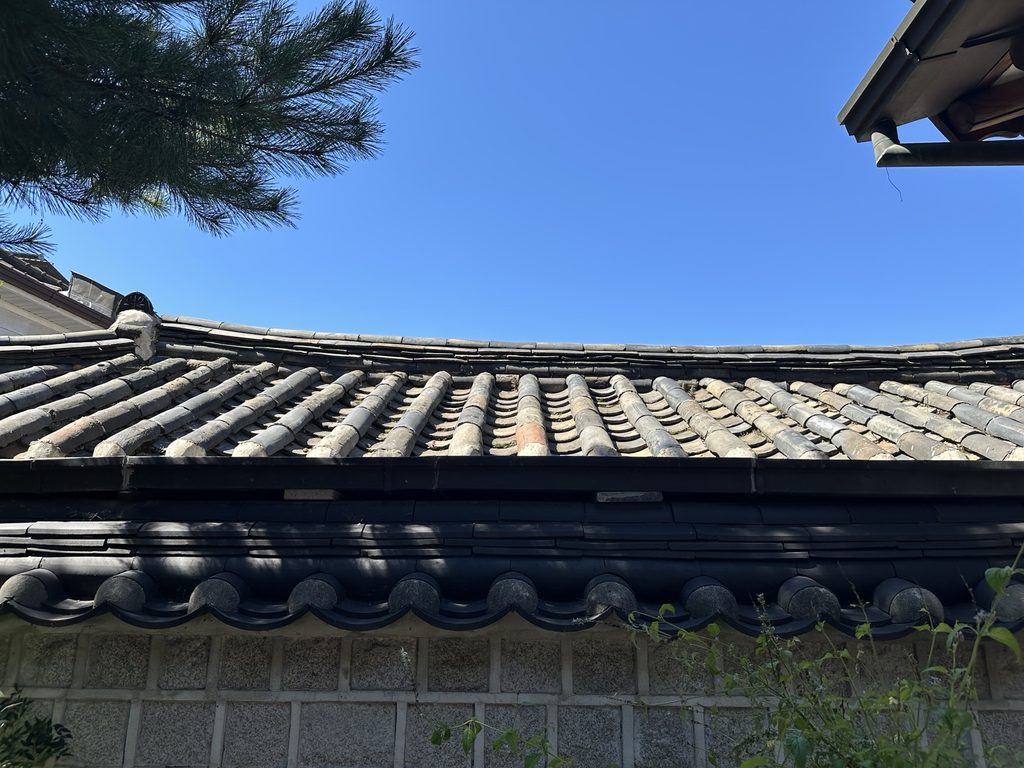
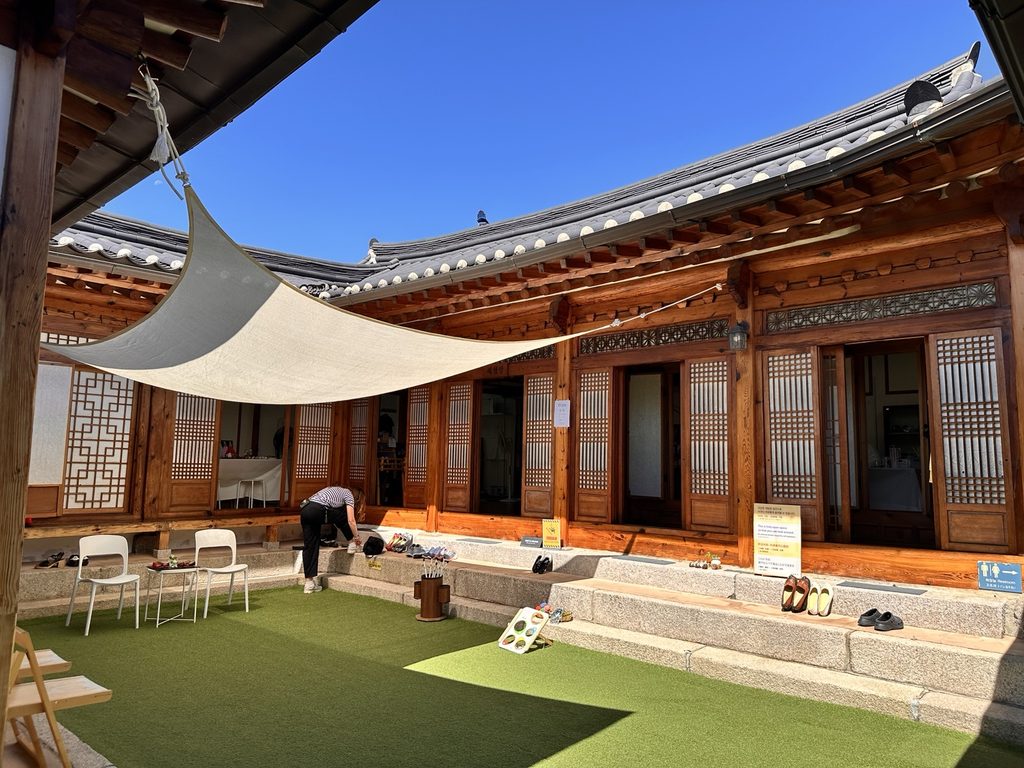
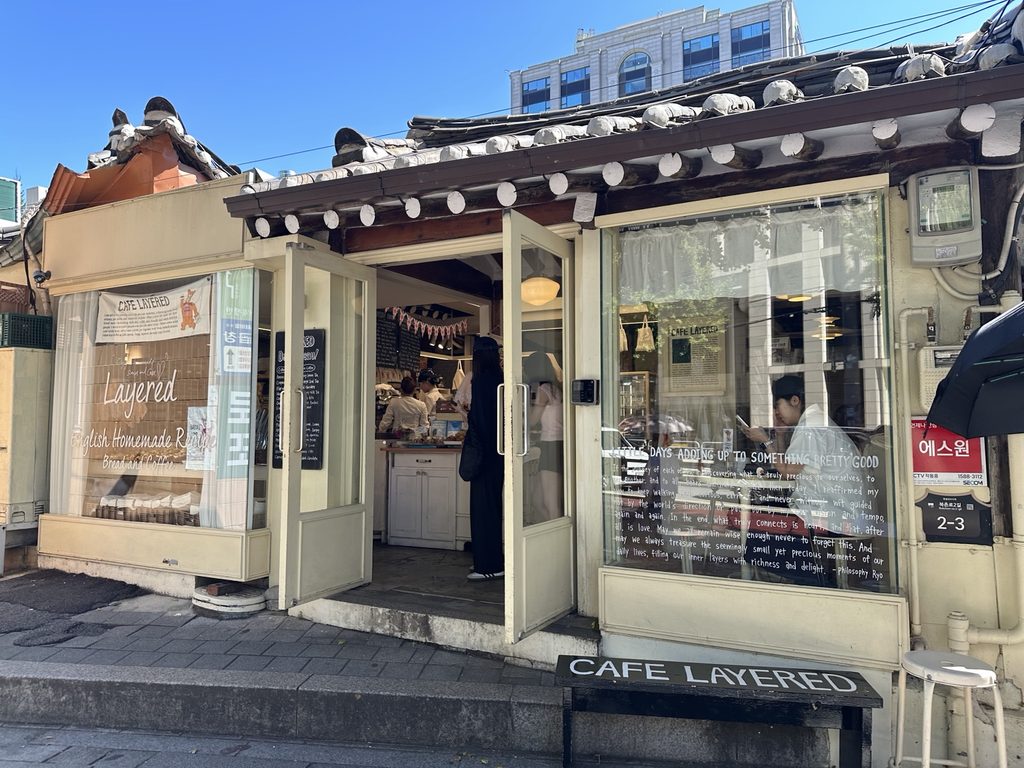
Jongno was the heart of old Seoul, and you can still feel that concentration of history.
Gyeongbokgung, Changdeokgung, Bukchon, Insadong, Seochon, Samcheong-dong and countless smaller museums, galleries, historic sites, workshops, cafés, and streets sit within this broader part of the city.
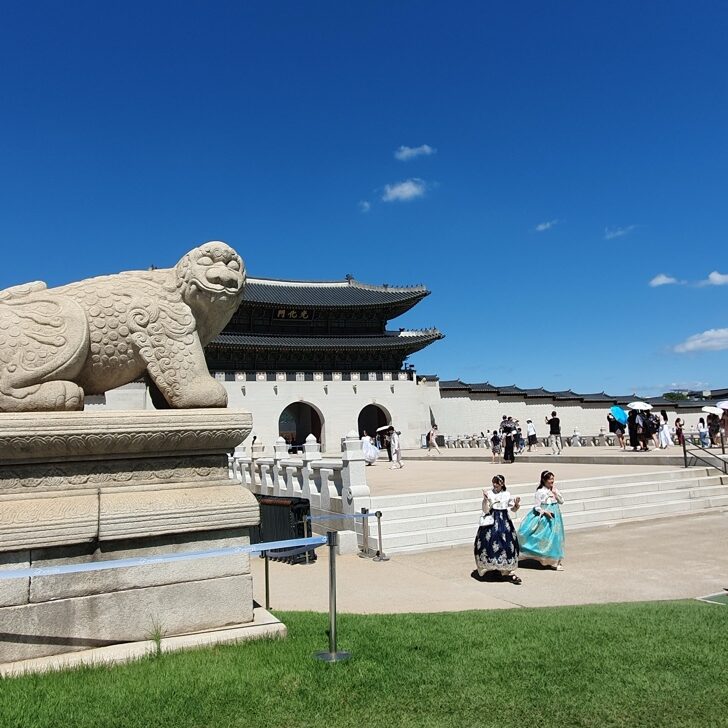
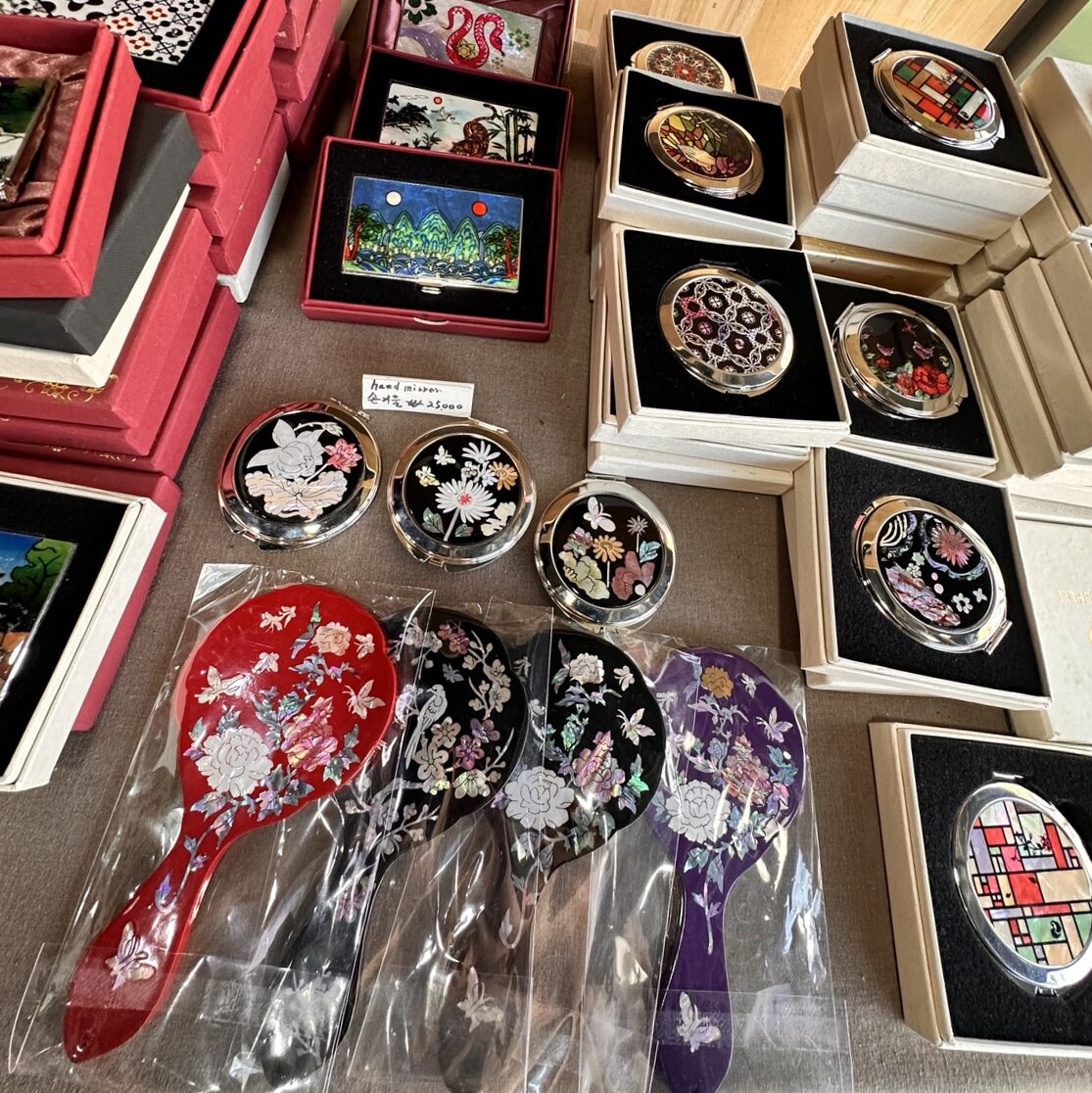
One of its greatest advantages is that the time between attractions can become part of the trip.
You are not necessarily traveling from Point A to Point B and waiting for the sightseeing to begin.
Sometimes the alley between them is the sightseeing.
Bukchon is not a theme park
This matters.
Bukchon Hanok Village is also a real residential neighborhood.
On my visit, signs reminded visitors to keep their voices down and displayed restricted visitor hours in parts of the village.
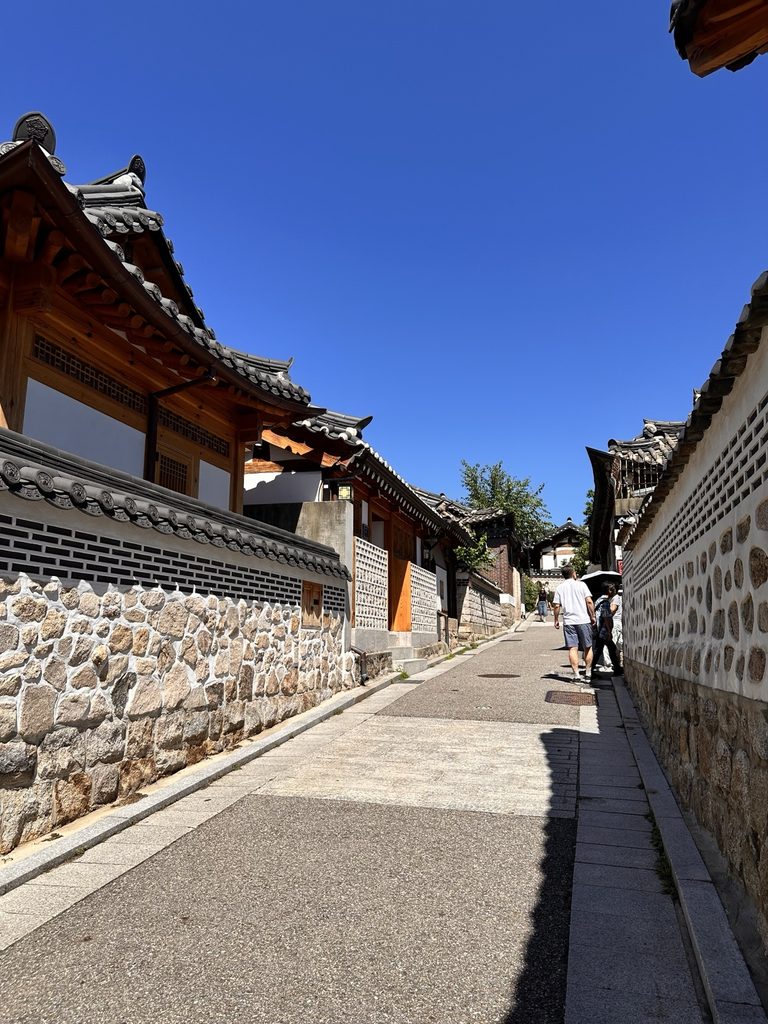
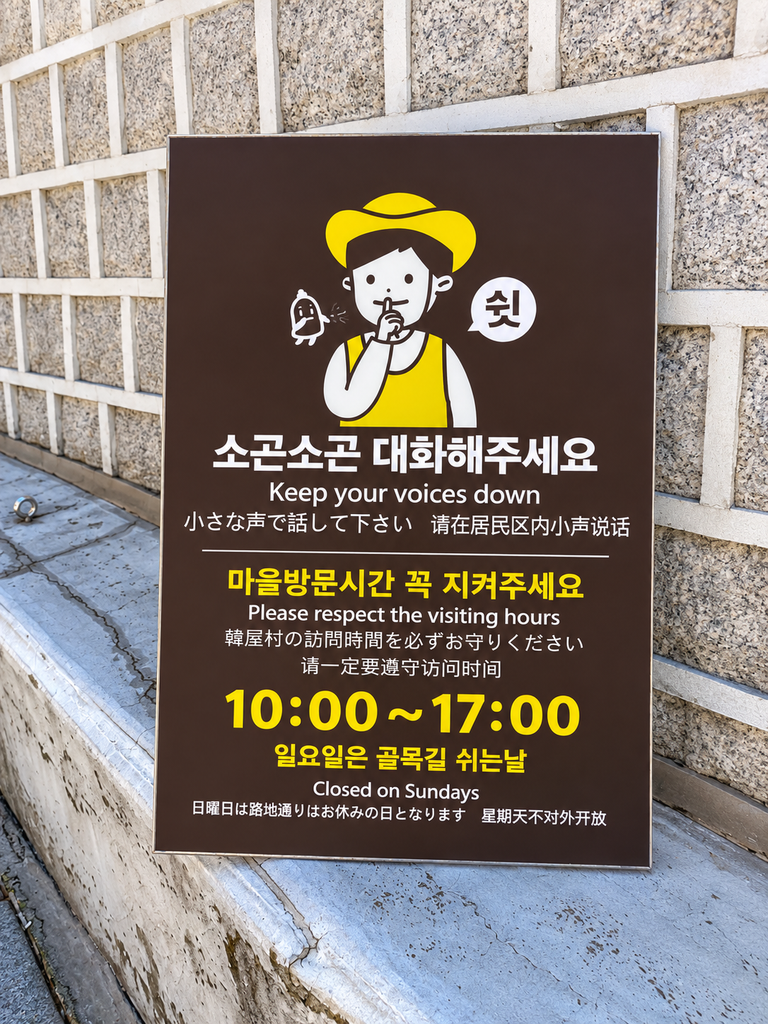
That changes how I think travelers should approach it.
Come to enjoy the architecture and atmosphere, but remember that the beautiful doorway in your photograph may be someone’s actual front door.
And if you stay in this area, you are choosing to become a temporary neighbor, not just a spectator.
What staying here feels like
Morning is probably where this area has an advantage over almost anywhere else in Seoul.
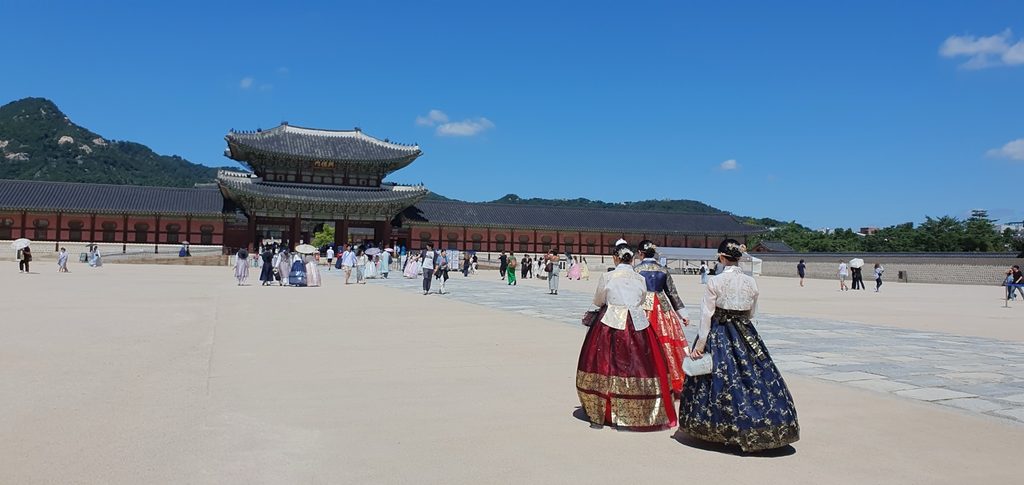
Imagine leaving a hanok stay, walking through a quieter street before the largest visitor crowds arrive, getting breakfast or coffee, and then beginning the day at a palace without first crossing the city.
For travelers who came to Korea specifically wanting traditional architecture, history, crafts, hanbok experiences, galleries, and old Seoul, that is difficult to beat.
The downside
Do not underestimate the terrain.
Bukchon has hills, stairs, narrow streets, and routes that may feel quite different with luggage, a stroller, mobility limitations, or tired children.
And depending on the exact accommodation, taxis may not always deliver the same door-to-door simplicity you would get at a large hotel on a major road.
The precise location of your hotel or hanok matters here.
My take
For a first trip, I would choose Jongno/Bukchon over Myeongdong when experiencing historic Seoul is one of the main reasons for the trip.
Myeongdong is easier.
Jongno is richer.
3. Hongdae, Yeonnam & Mapo: When You Want Seoul Outside Your Door
Best for: Younger travelers, friends, nightlife, casual shopping, cafés, repeat visitors, travelers who like wandering
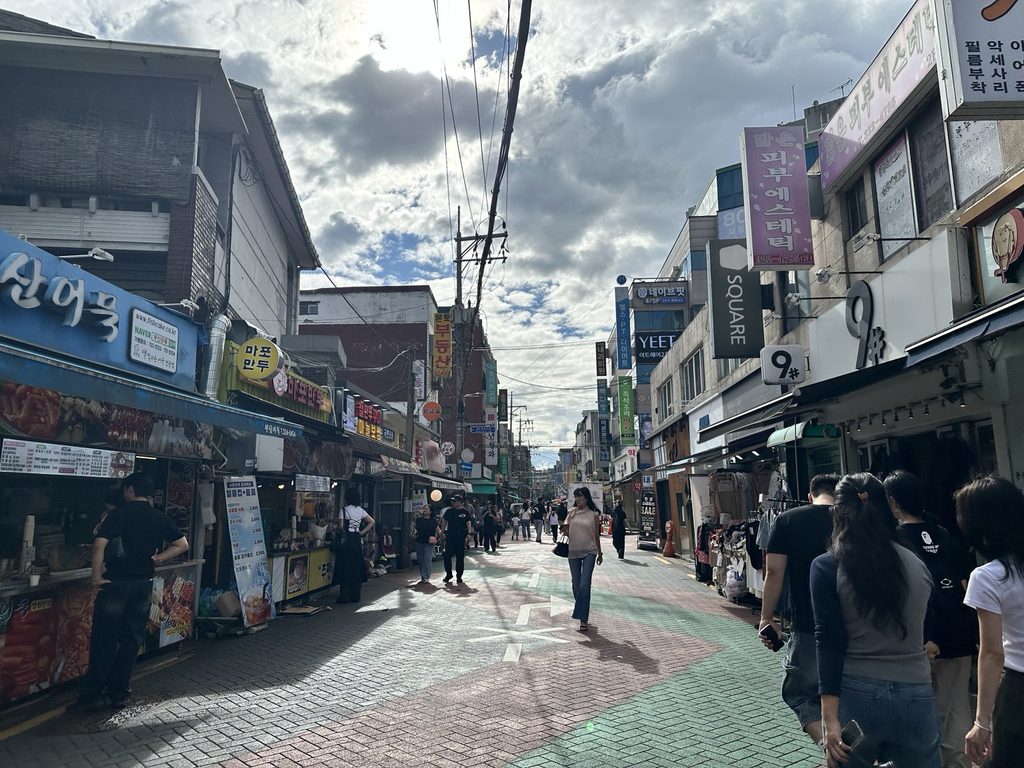
Hongdae is an ongoing playground.
That was the phrase that kept coming back to me while walking around the area.
There is always something else.
Another store. Another café. Another restaurant. Another photo booth. Another accessory shop. Another place selling something you did not know you needed five minutes ago.
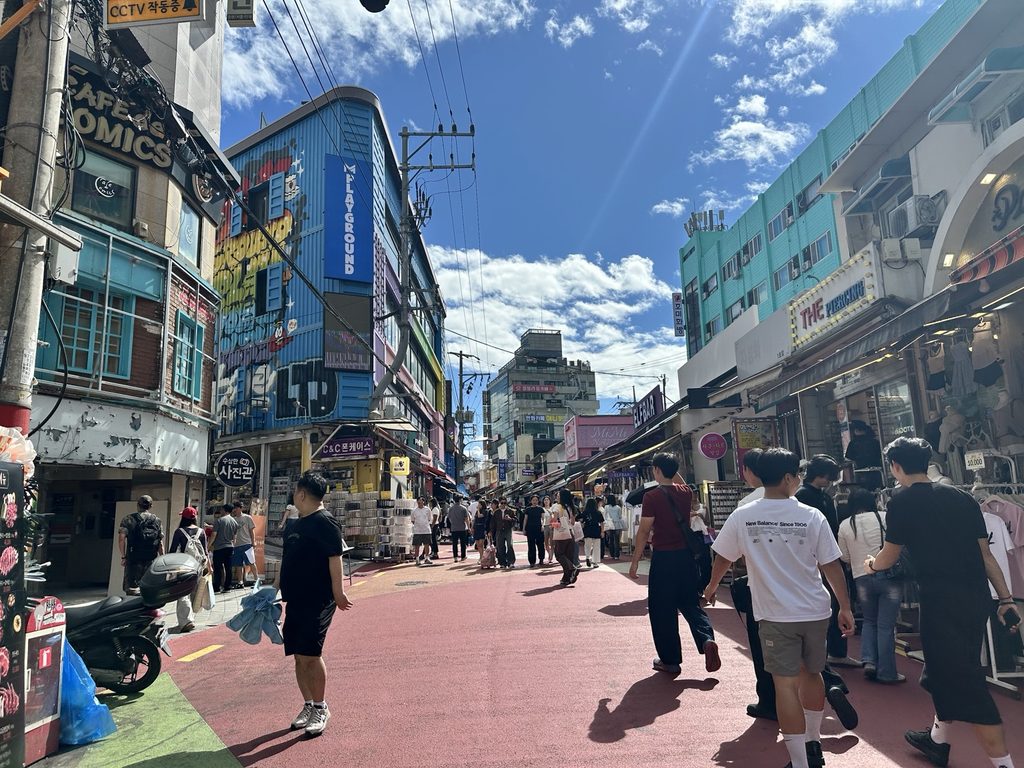
It is extremely visitor-friendly. Food, shopping, currency exchange, convenience stores and entertainment are easy to find, and there is enough happening that you can leave your hotel without a detailed plan and still fill several hours.
That also makes Hongdae more interesting for families than its nightlife reputation might suggest.
Children and teenagers who enjoy shopping, character goods, games, small activities, snacks and simply having things to look at can have an excellent time here.
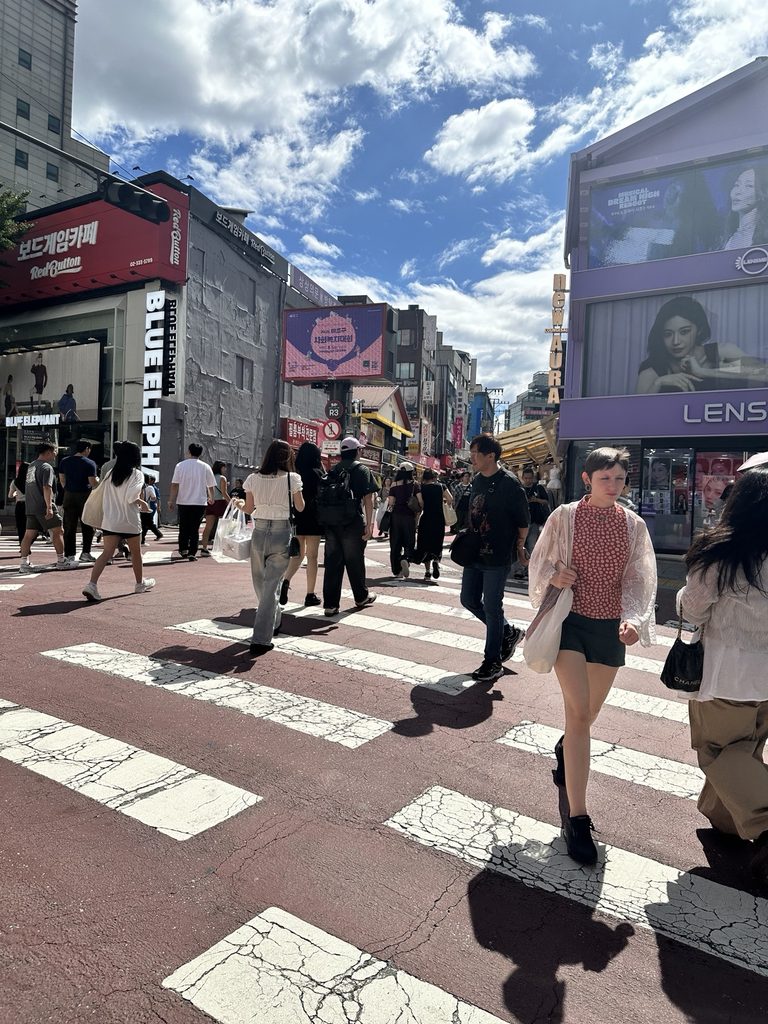
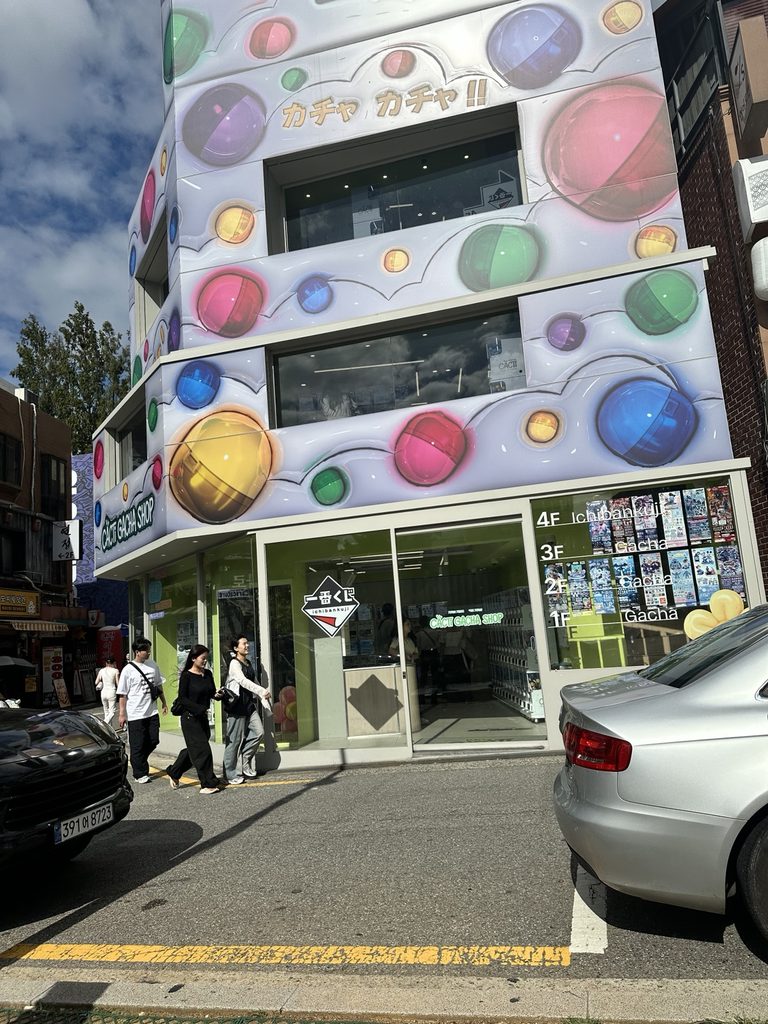
But the real strength of this area is that Hongdae does not end at Hongdae.
Walk toward Yeonnam
Move toward Yeonnam and the volume drops.
The Gyeongui Line Forest Park creates a long green corridor through the neighborhood, and suddenly the experience becomes more about walking, cafés, small restaurants and lower-rise streets.
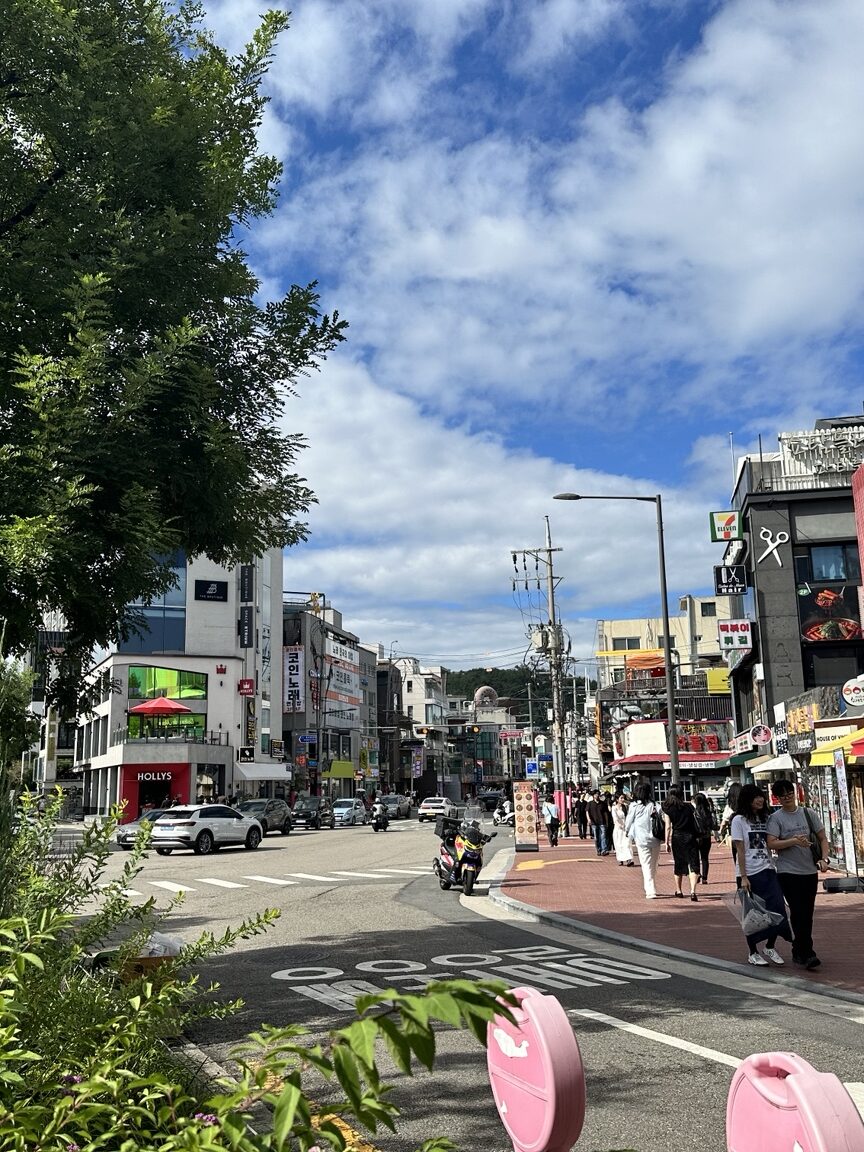
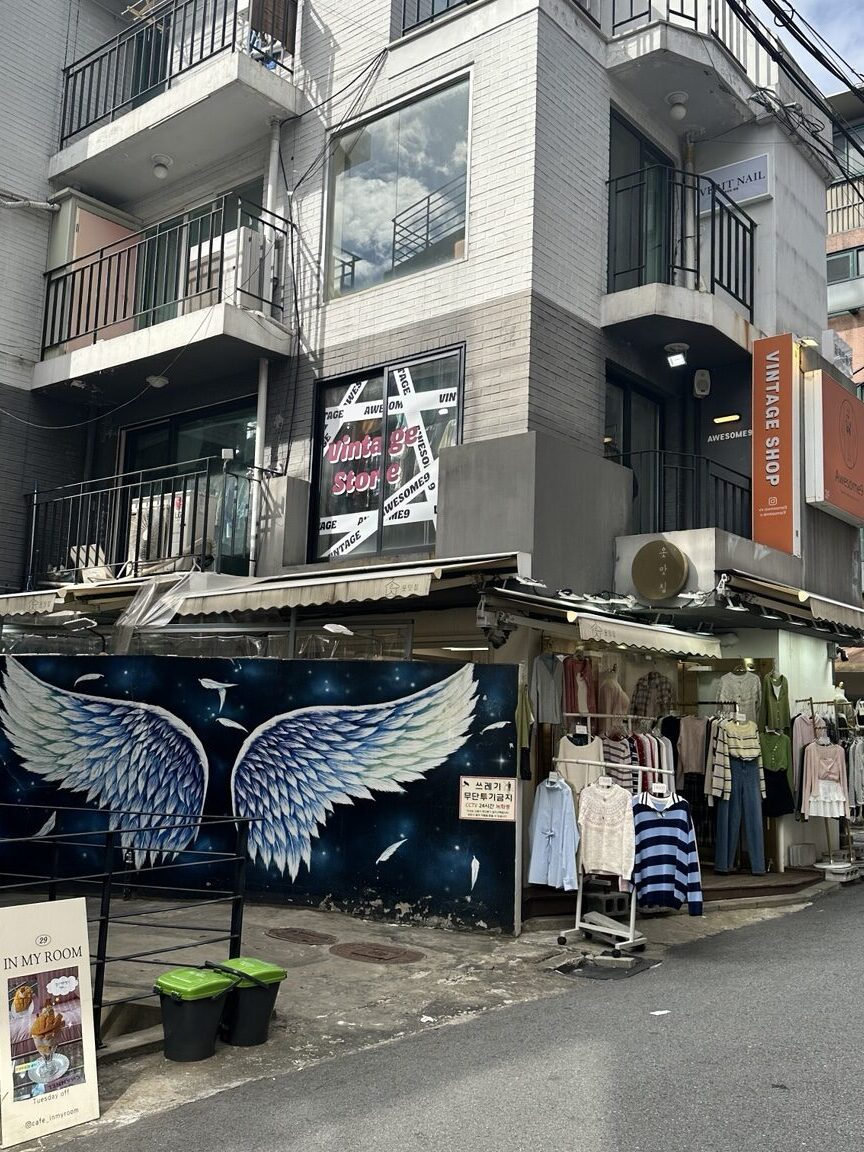
You are still very close to Hongdae’s energy, but you do not necessarily have to sleep directly inside it.
That makes Yeonnam particularly appealing to travelers who want access to Hongdae without having Hongdae outside the window every night.
Continue exploring Mapo and the atmosphere changes again.
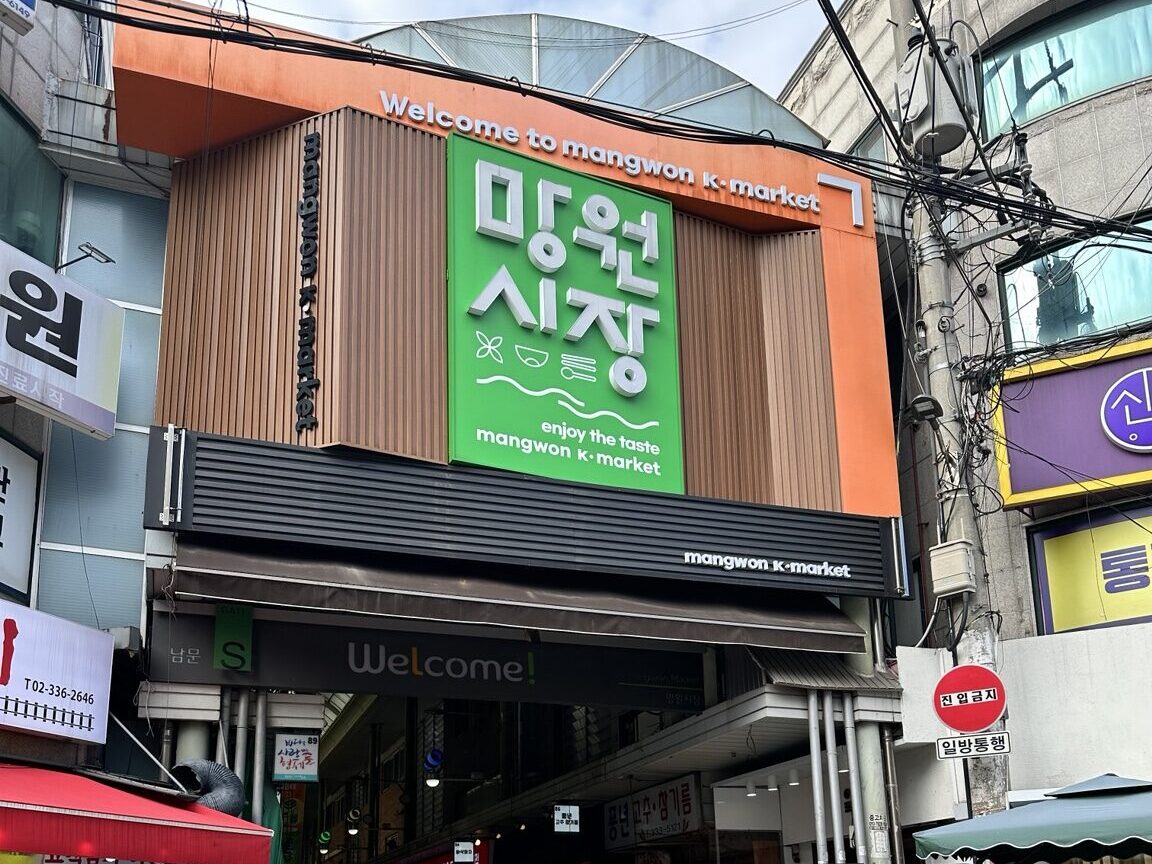
Mangwon feels more local and everyday. Mangwon Market brings food and neighborhood life into the picture, while the surrounding streets feel less like a destination manufactured specifically for visitors.
The downside
Hongdae can be loud, crowded and visually exhausting.
If you want calm evenings, check the exact location of your accommodation rather than assuming that everything labeled “Hongdae” feels the same.
And geographically, western Seoul is not ideal if most of your itinerary is concentrated in Jamsil, Seongsu, Samseong and southeastern Seoul.
My take
Hongdae is one of Seoul’s easiest neighborhoods in which to have fun without trying very hard.
If you want that energy but would rather sleep somewhere slightly calmer, look toward Yeonnam or the edges of the main Hongdae zone.
4. Seongsu: Stay Where Seoul Is Reinventing Itself
Best for: Fashion, design, cafés, beauty, pop-ups, contemporary culture, repeat visitors
Seongsu feels like an ongoing exhibition.
That is the simplest way I can describe it.
I once compared the feeling to parts of Chelsea in Manhattan — not because the neighborhoods are identical, but because of the collision between older industrial spaces and newer creative, fashion, commercial, and cultural uses.
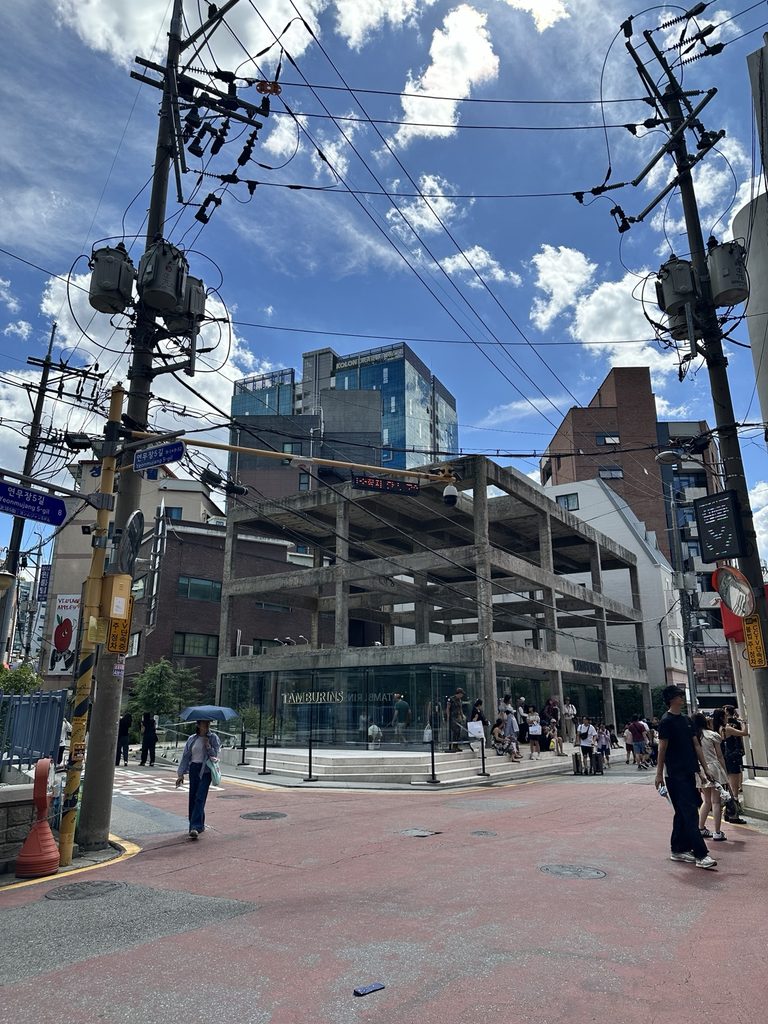
Walk a few blocks and the scenery can change repeatedly.
An older low-rise building.
A tiny restaurant.
Exposed concrete.
Utility wires.
A fashionable café.
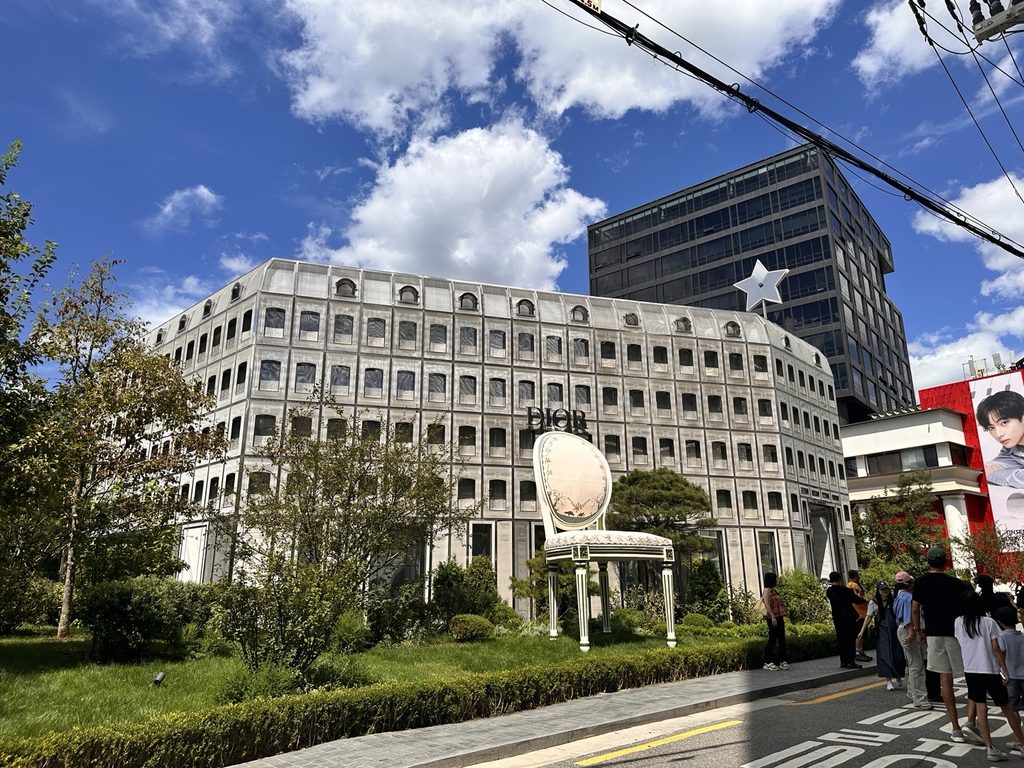
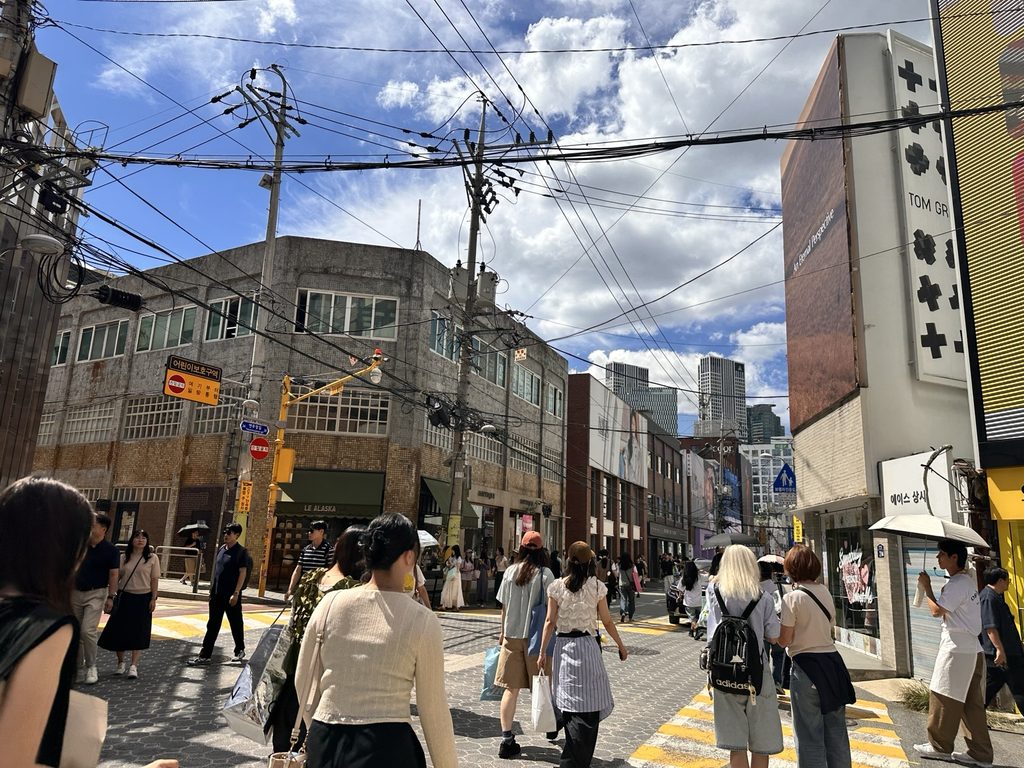
Then suddenly a major beauty or fashion brand has created an enormous space that looks more like an installation than a shop.
Brands do not simply open stores here.
They often create destinations.
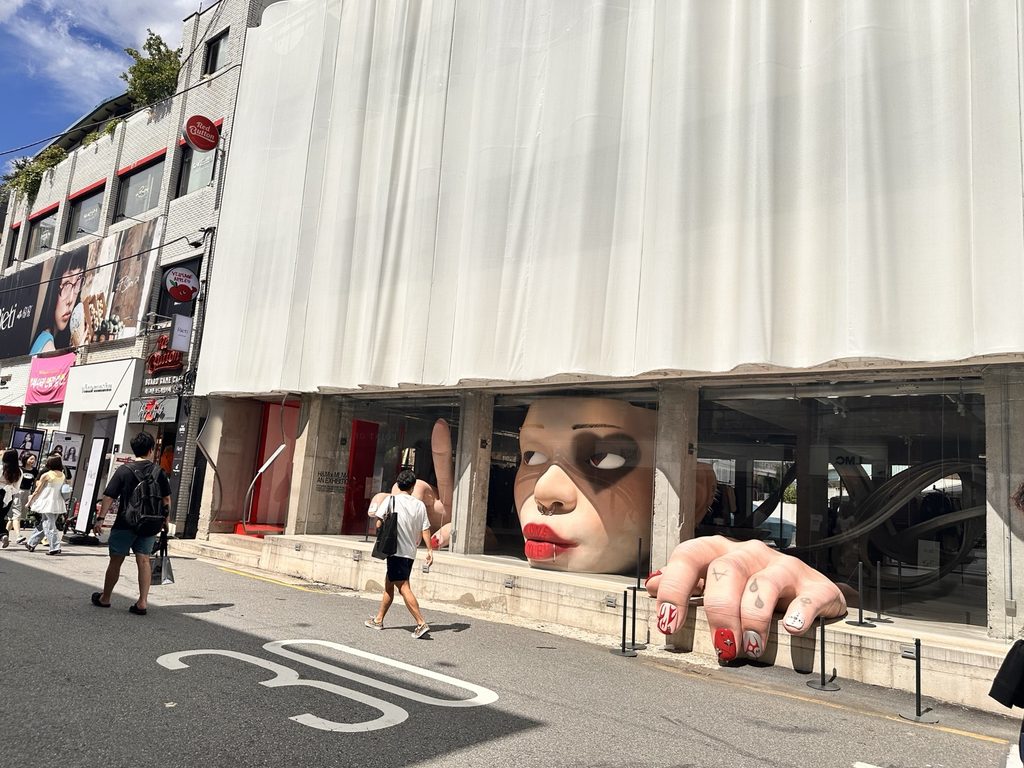
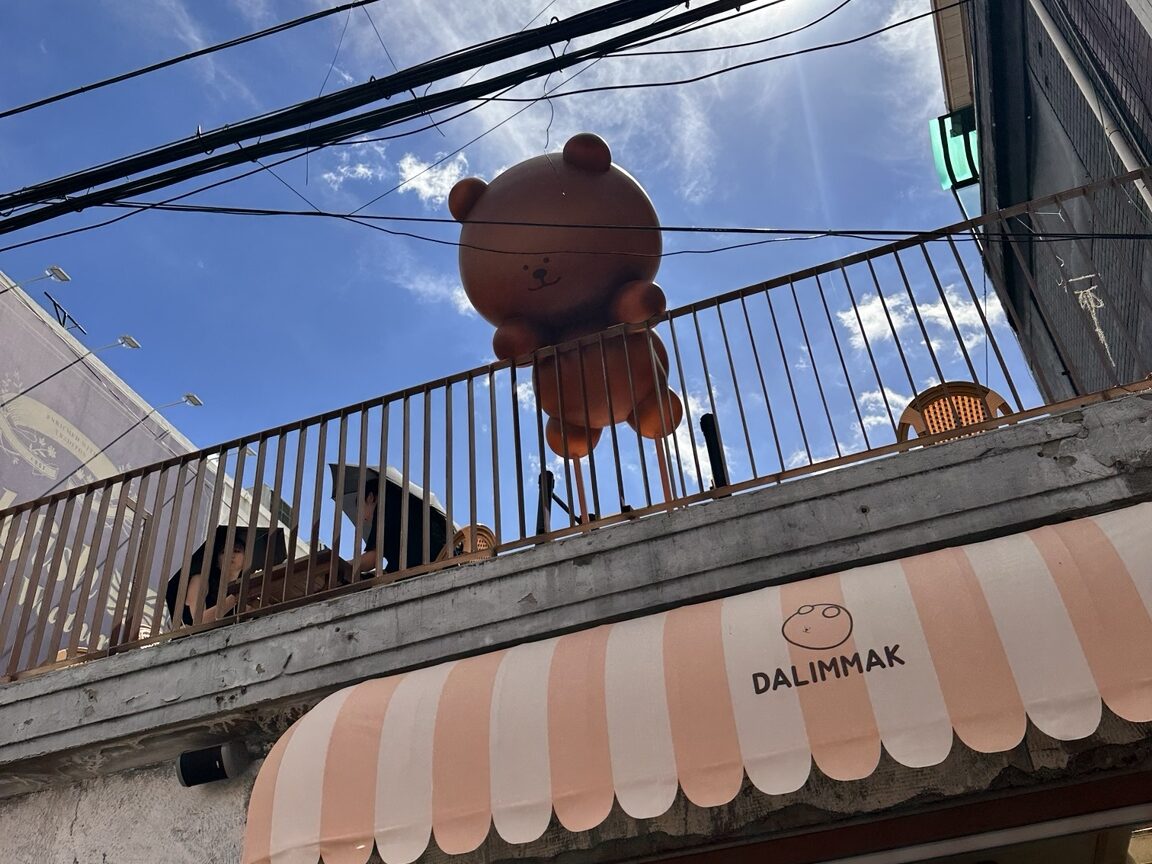
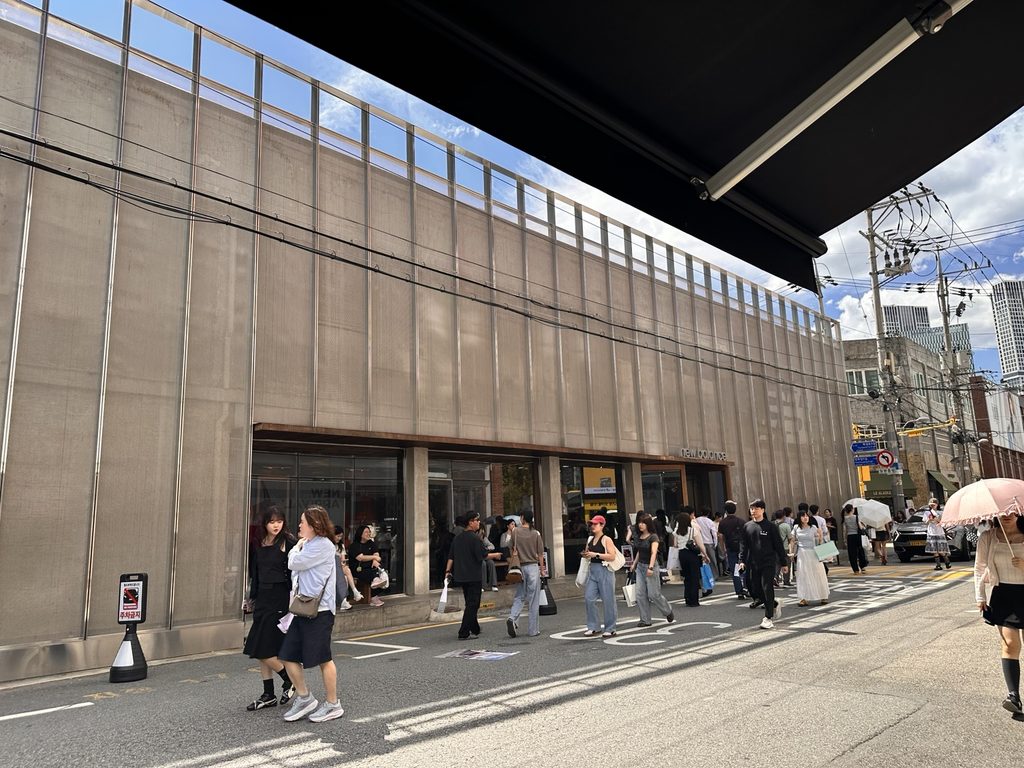
And that makes wandering part of the attraction.
You do not necessarily need a checklist of ten famous sights. Much of the fun comes from seeing what has appeared since the last time you visited.
Seoul Forest changes the equation
Seongsu is not only concrete, cafés and pop-ups.
Seoul Forest gives the area a substantial green counterweight.
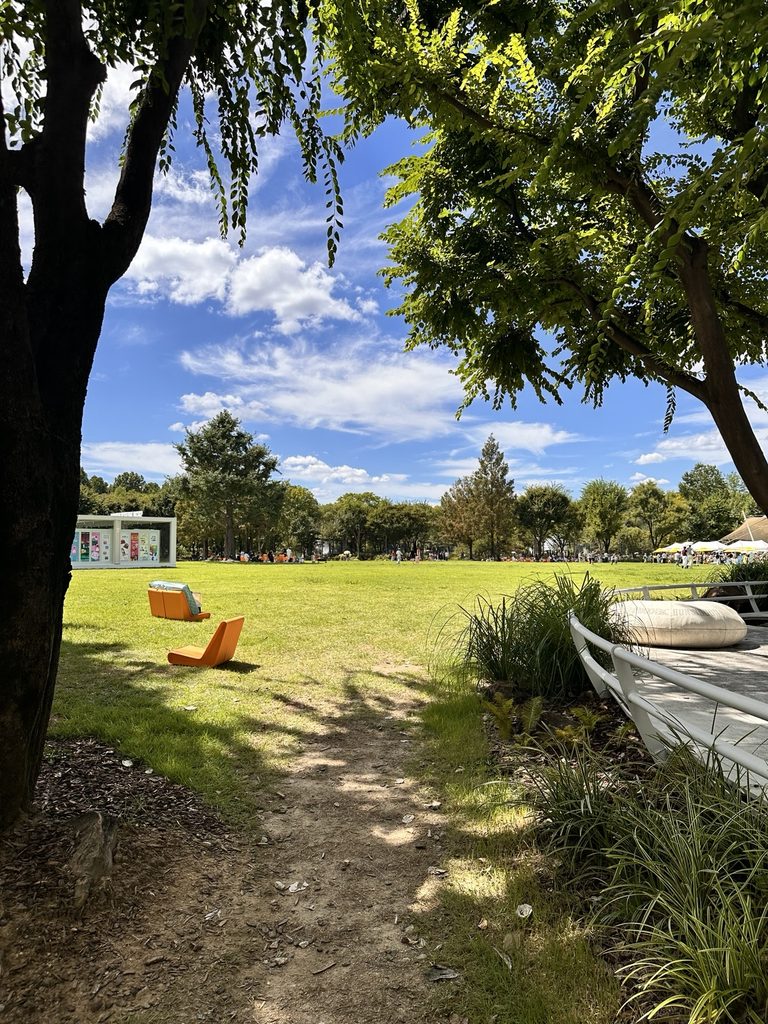
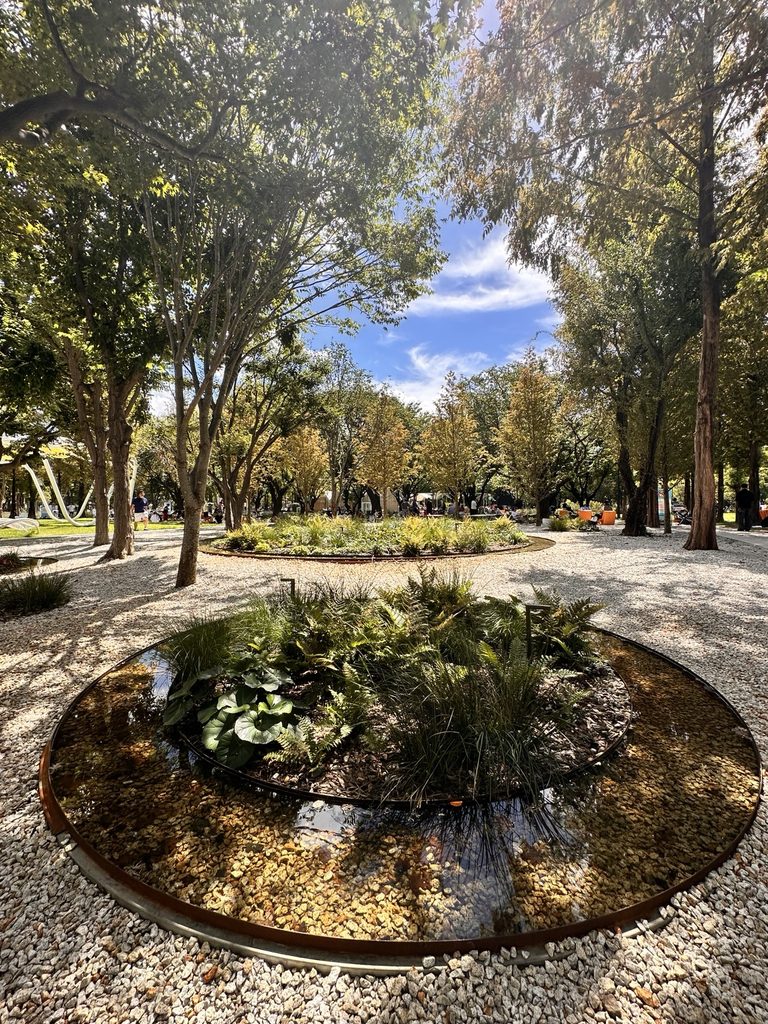
You can spend time among trees and lawns and then move back toward busy commercial streets. For someone staying several days, having that kind of everyday outdoor space nearby can matter more than it sounds on a list of attractions.
Seongsu is also well positioned for travelers whose itinerary leans east or south: Jamsil and parts of Gangnam are relatively accessible.
The downside
For a first-time visitor whose priority list reads Gyeongbokgung, Bukchon, Insadong, Myeongdong and other classic central sights, I would not automatically choose Seongsu as a base.
And trends here move quickly.
The pop-up or flagship everyone is talking about when you book your flight may not be the thing everyone is talking about when you arrive.
My take
Stay in Seongsu because Seongsu itself is part of what you came to experience.
If you simply want to see it, visiting for half a day or a day may be enough.
If fashion, cafés, design, beauty and contemporary Seoul are central to your trip, staying here becomes much more interesting.
5. Itaewon & Hannam: Choose Your Volume
Best for: Nightlife, bars, international food, couples, adults, repeat visitors
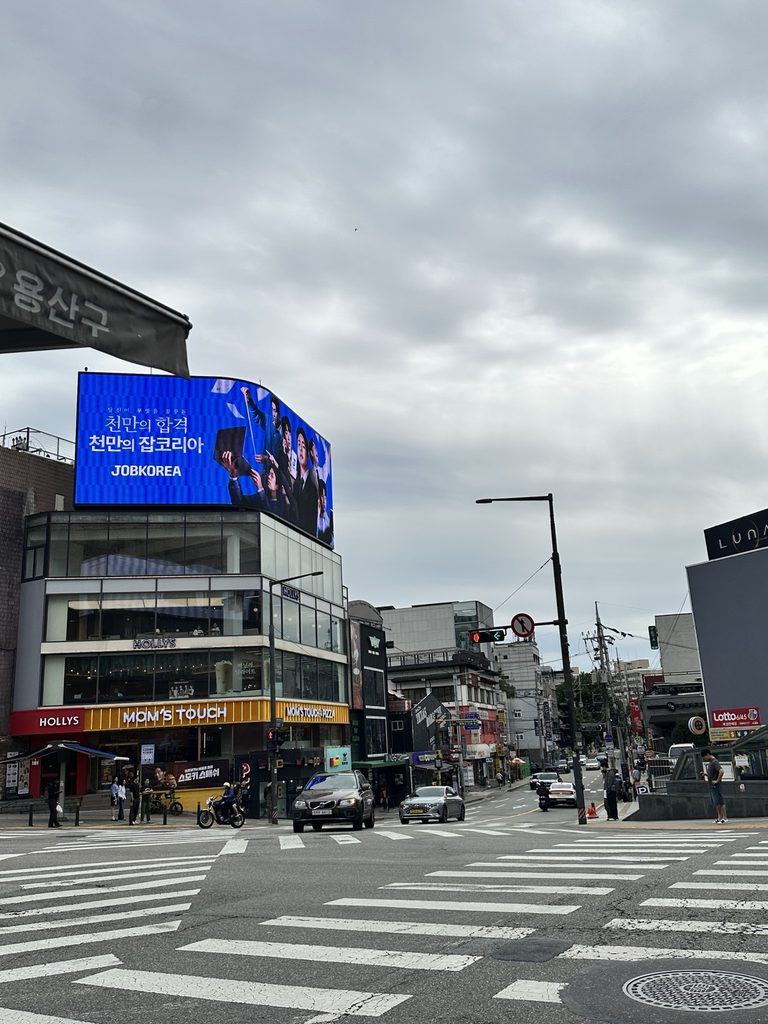
Itaewon is one of the hardest Seoul neighborhoods to summarize because its personality changes remarkably quickly.
Around the busiest parts of Itaewon, restaurants, bars and nightlife dominate.
At night, this can become one of the most energetic adult entertainment districts in the city.
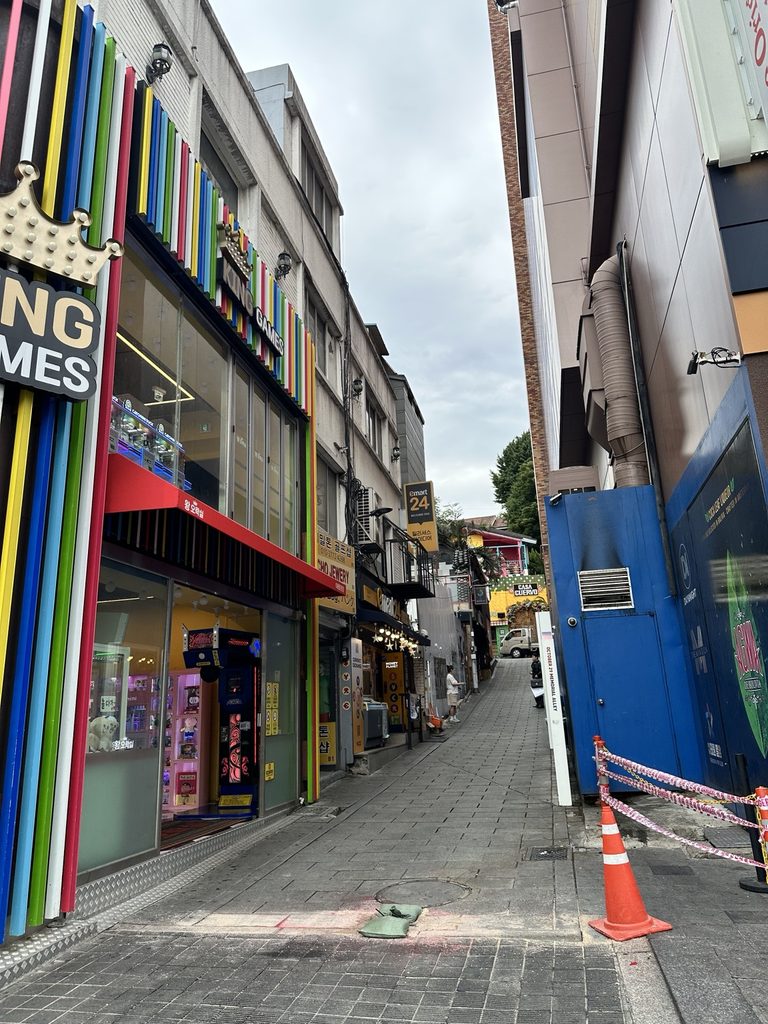
Walk toward Gyeongnidan or Haebangchon and the terrain rises. Small streets climb the hillside, houses sit at different elevations, and N Seoul Tower appears unexpectedly between buildings.
There are rooftop bars and cafés where the geography becomes part of the experience.
Then move toward Hangangjin and Hannam and the volume begins to come down again.
Larger stores, galleries, restaurants and more polished streets gradually replace the densest nightlife.
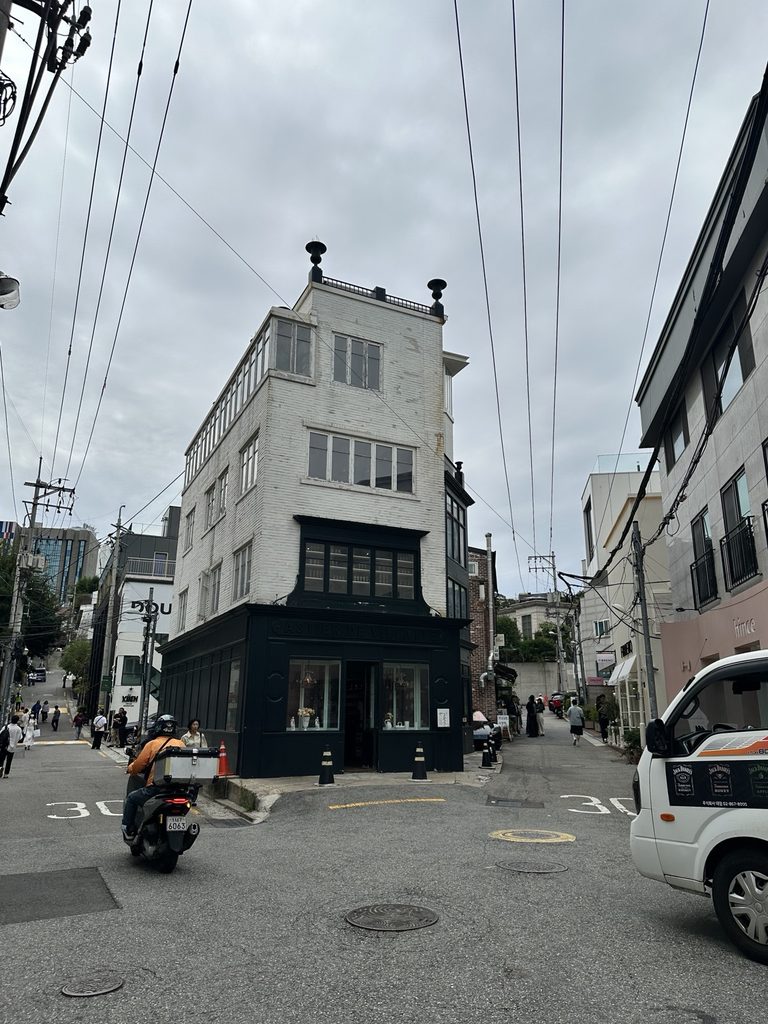
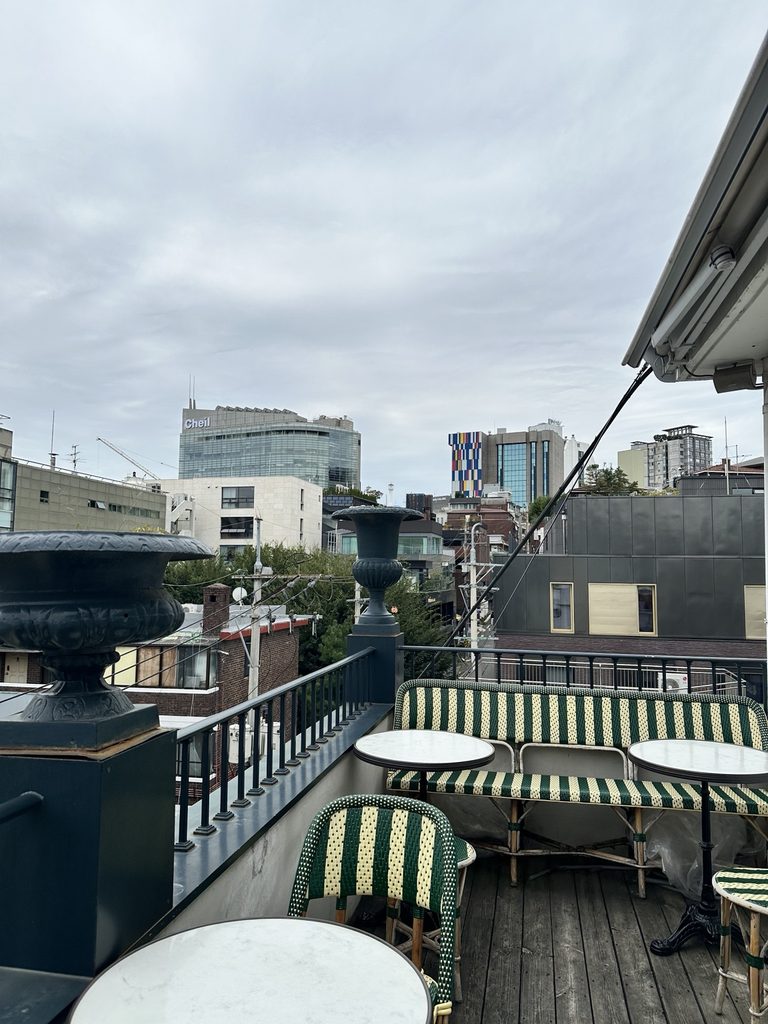
This is why I think of this whole area as:
Choose your volume.
You can be close to the party without necessarily sleeping inside the loudest part of it.
Check the hill before you book
This is important enough to deserve its own warning.
Itaewon looks compact on a map. It does not always feel compact on your legs.
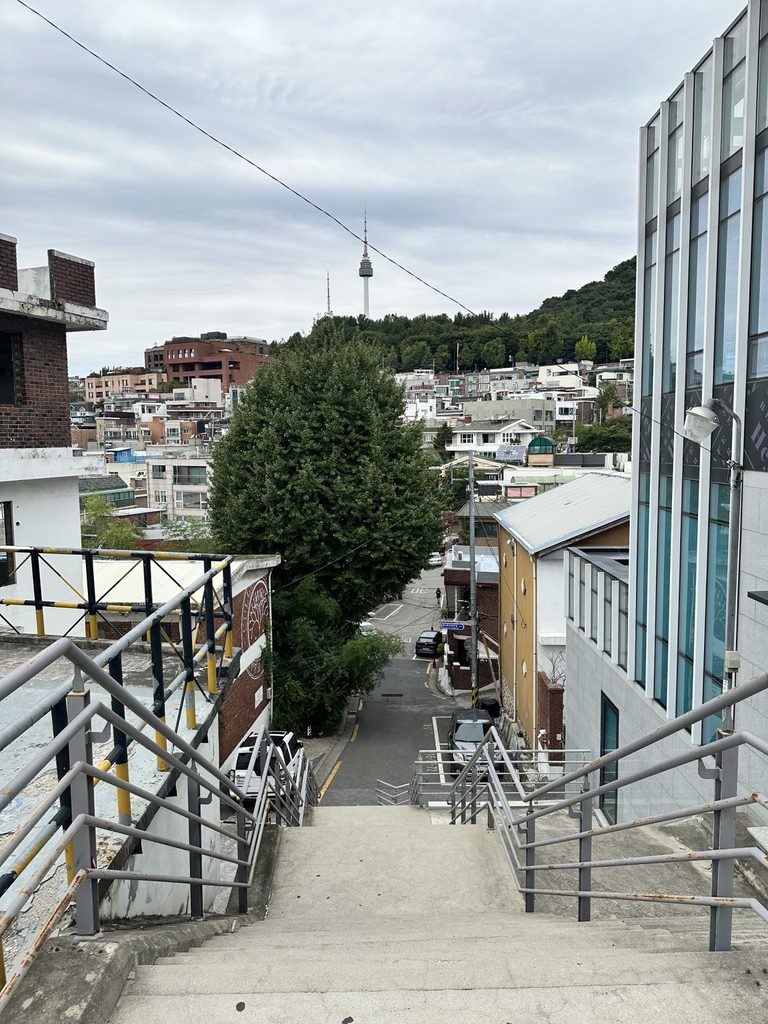
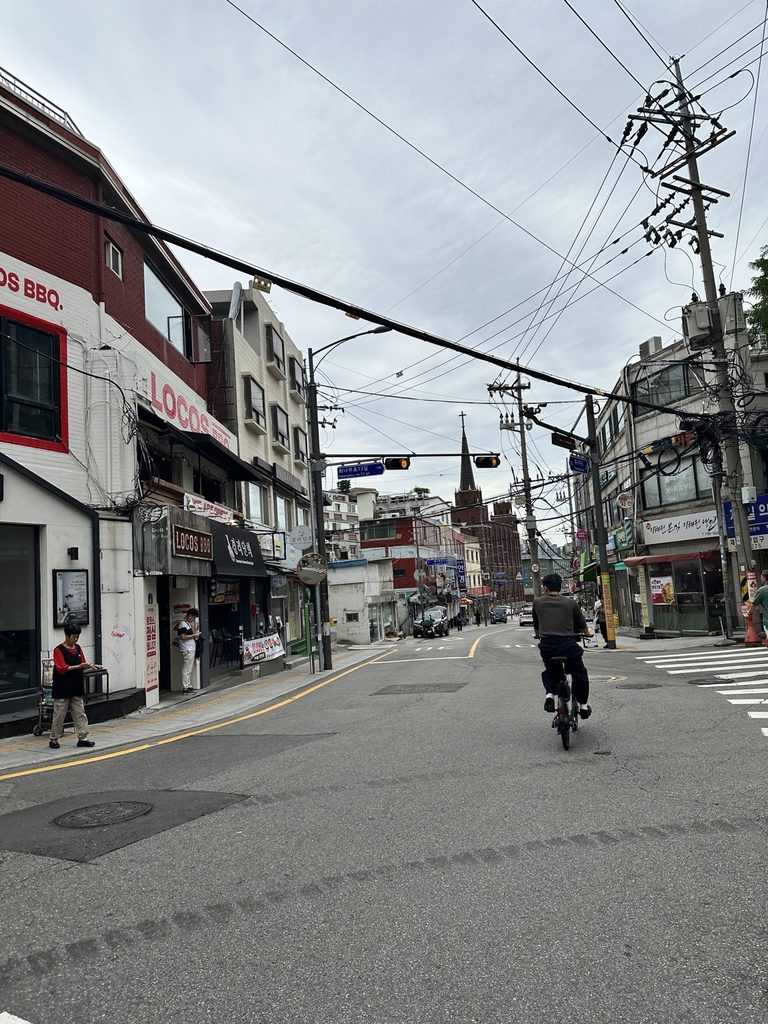
Some routes involve serious slopes or stairs.
A hotel that appears only several hundred meters from a station may feel very different when you are pulling a suitcase uphill or returning after walking Seoul all day.
Look at the actual street and elevation around your accommodation before booking.
What about Grand Hyatt Seoul?
The Grand Hyatt illustrates another version of this area beautifully.
Up near Namsan, the atmosphere feels almost detached from the busy streets below. The hotel has greenery and Namsan nearby, while Gyeongnidan and Itaewon’s nightlife are accessible downhill.
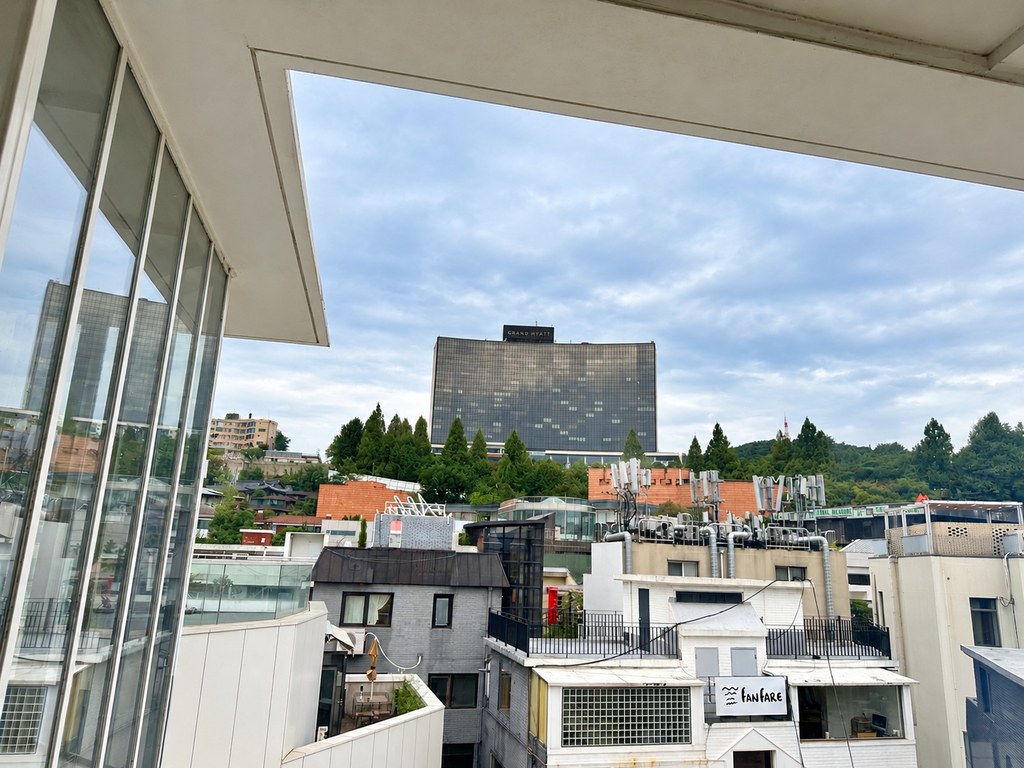
It is almost as though you can retreat from the city and then descend back into it when you want to play.
My take
I would not make Itaewon my automatic recommendation for a family taking its first trip to Seoul.
But for adults who value nightlife, international dining, bars and the distinctive character of this part of the city, there is nowhere else quite like it.
6. Gangnam: When You Know What You Came For
Best for: K-beauty, medical tourism, luxury, dining, business, shopping, repeat visitors, modern Seoul
Gangnam works best when you know what you came for.
I have lived in and around Gangnam for most of my life, and I think that familiarity actually made it harder for me to explain to travelers.
So I walked it again.
And the difference between Gangnam and many neighborhoods north of the Han became much clearer.
In Jongno, Seongsu, Hongdae or Itaewon, the neighborhood itself is often a large part of what you came to experience.
Gangnam frequently works differently.
Many of its strengths are destinations within the neighborhood: a restaurant you booked, a clinic you chose, a department store, a flagship, a salon, a hotel or a particular place you came to shop.
Gangnam has spent decades bringing good things to the people who live there.
Restaurants. Beauty services. Luxury hotels. Department stores. Businesses. Major brands. Entertainment. Convenience.
That is part of what makes it extraordinarily comfortable.
And also why I would not automatically choose it for a first sightseeing trip to Seoul.
Apgujeong / Dosan / Cheongdam: Gangnam With a Purpose
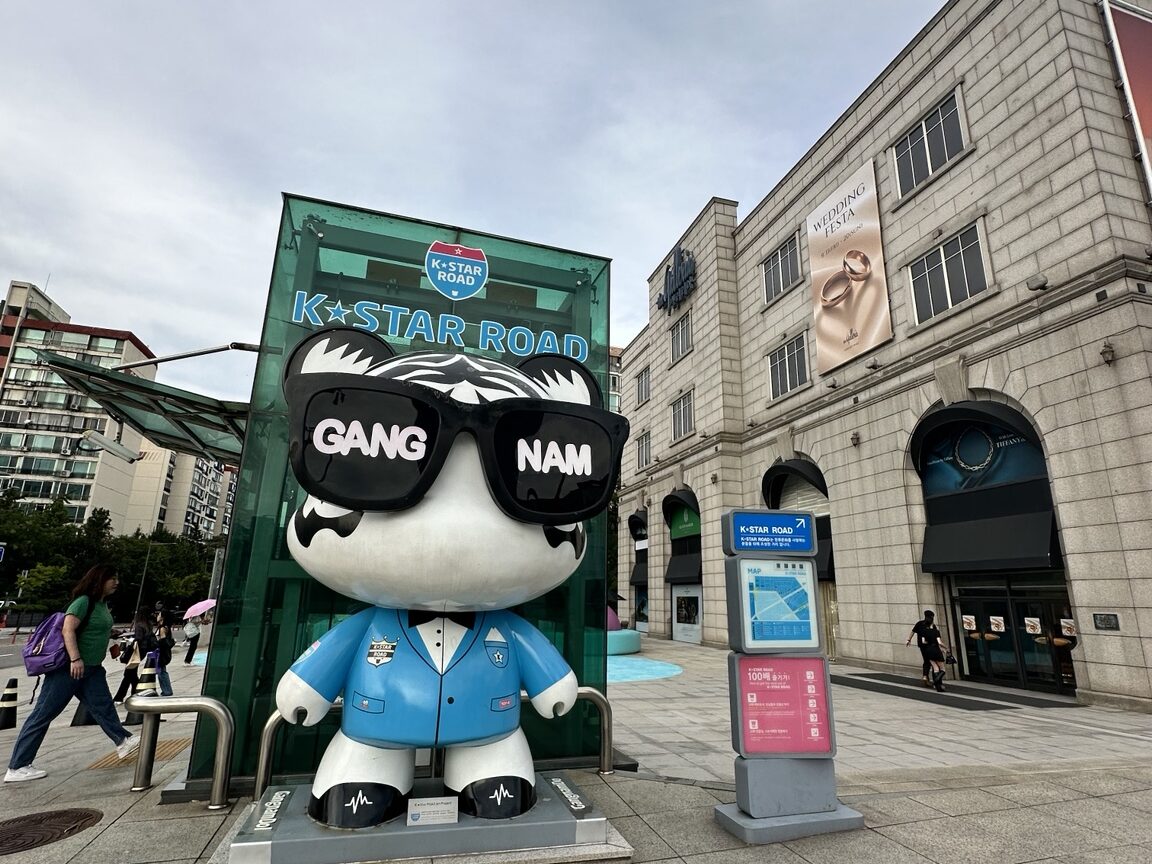
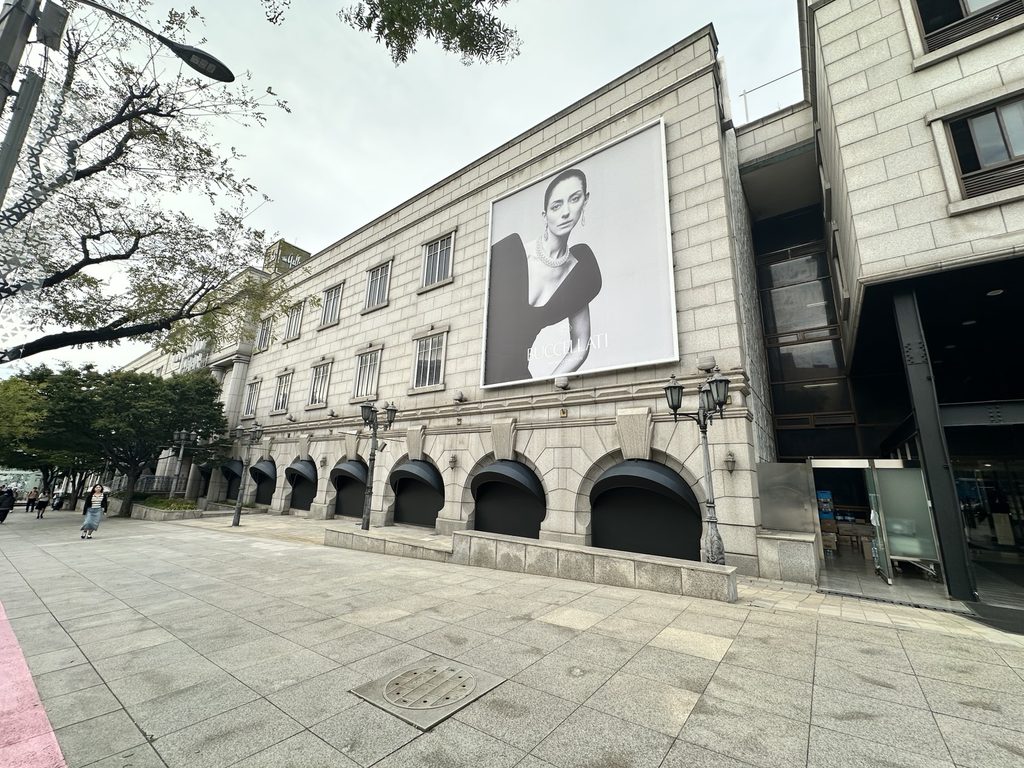
If I were choosing Gangnam for lifestyle, dining, luxury or K-beauty, this is where I would look first.
Around Apgujeong Rodeo and Dosan Park, large luxury brands give way to smaller boutiques, cafés, restaurants, salons and shops.
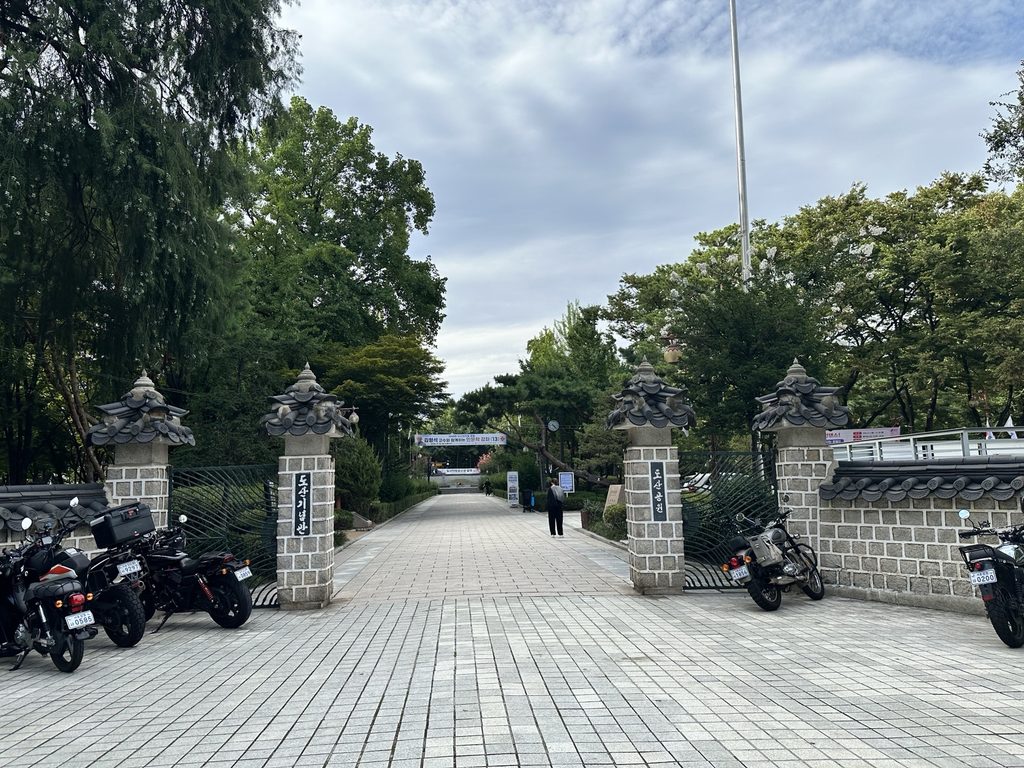
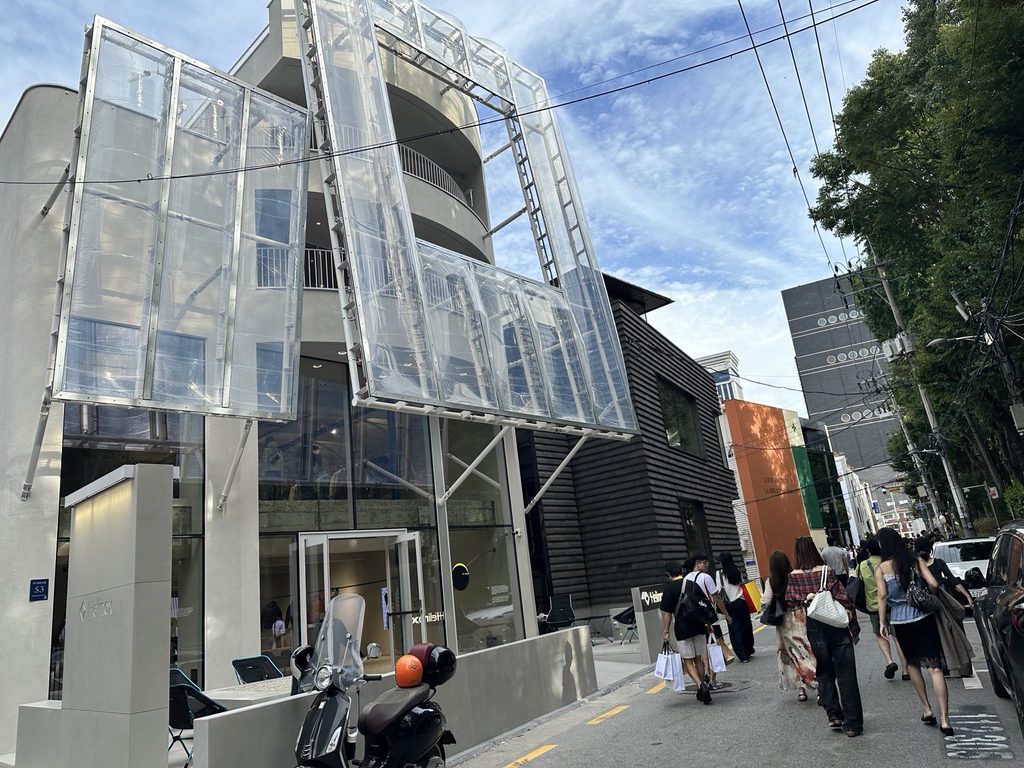
The park itself is not necessarily the reason to come. The neighborhood that has developed around it is the attraction.
Beauty and medical care are also impossible to ignore.
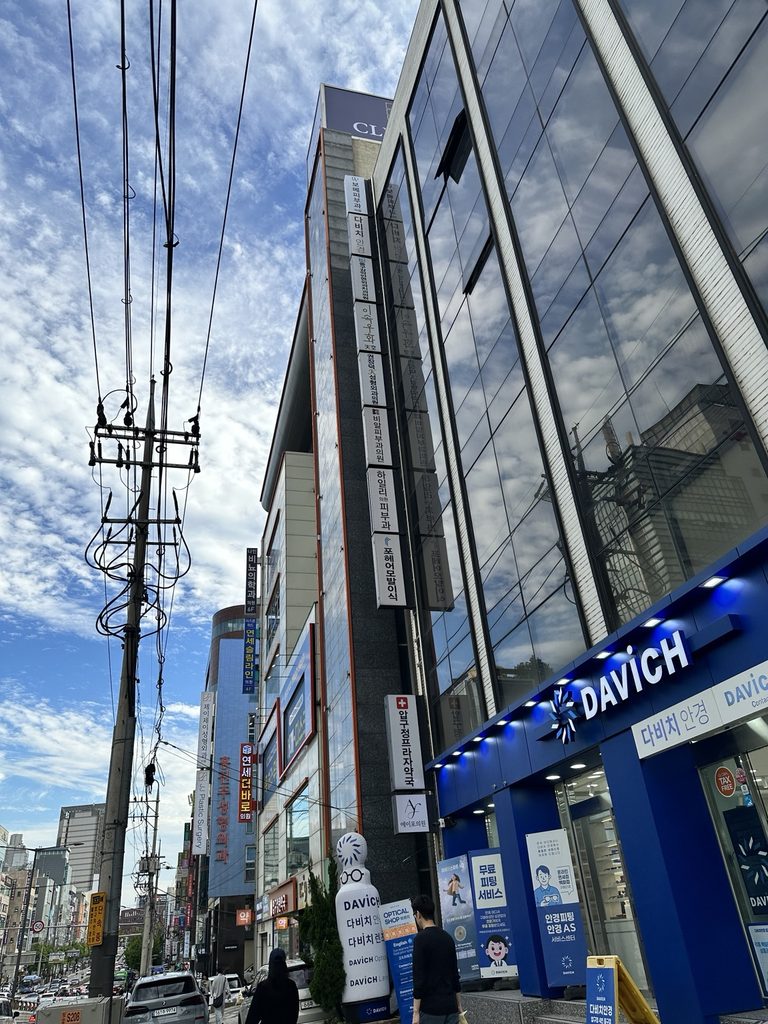
Around Apgujeong and nearby parts of Gangnam, dermatology, plastic surgery and aesthetic clinics appear with extraordinary frequency.
For travelers coming to Seoul specifically for treatment, that can completely change the accommodation calculation.
Staying near your clinic may be far more valuable than staying near a palace.
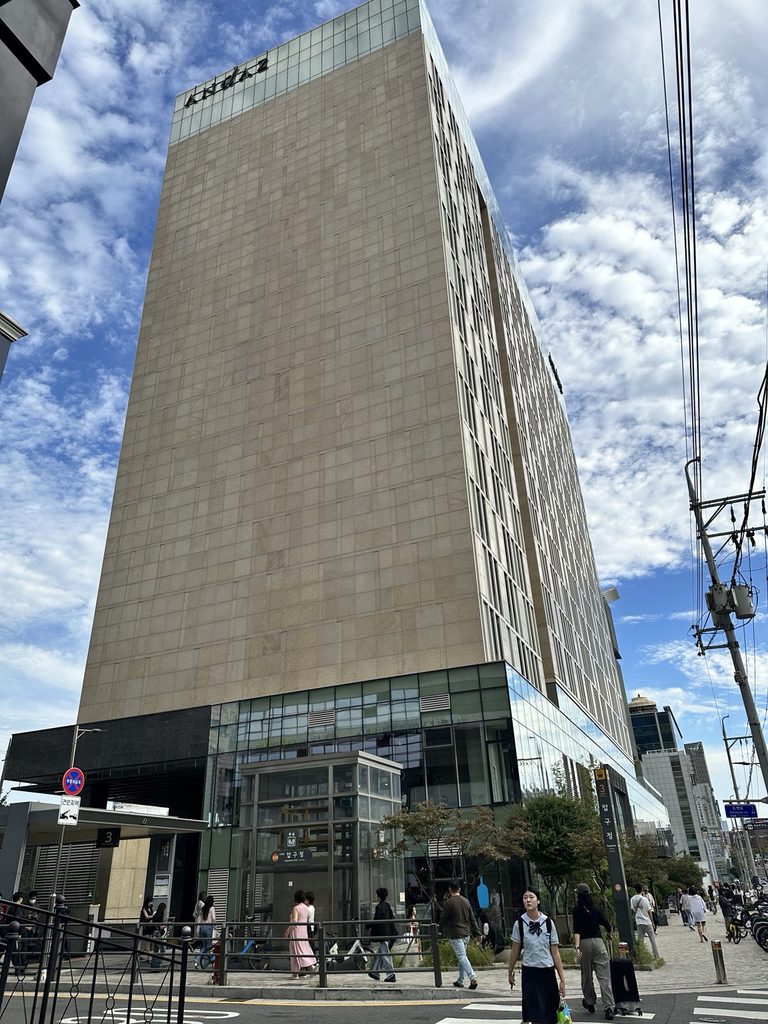
Apgujeong also has a geographic advantage. It gives relatively convenient access to other parts of Gangnam while making it easier to cross north of the Han than staying farther south.
What about Garosu-gil?
I would be cautious about relying on older descriptions of Garosu-gil.
On my recent walk, the main street had noticeably more vacancies than I remembered, and it no longer felt like the automatic Seoul destination it once was.
There are still businesses and active side streets, but I would not choose accommodation simply because it is close to Garosu-gil.
Seoul changes quickly.
Old reputations do not always disappear as quickly as the neighborhoods themselves change.
Gangnam Station: Maximum Seoul
Gangnam Station has almost everything.
Offices. Restaurants. Bars. Beauty clinics. Shops. Academies. Buses. Crowds. Underground shopping. Major chains.
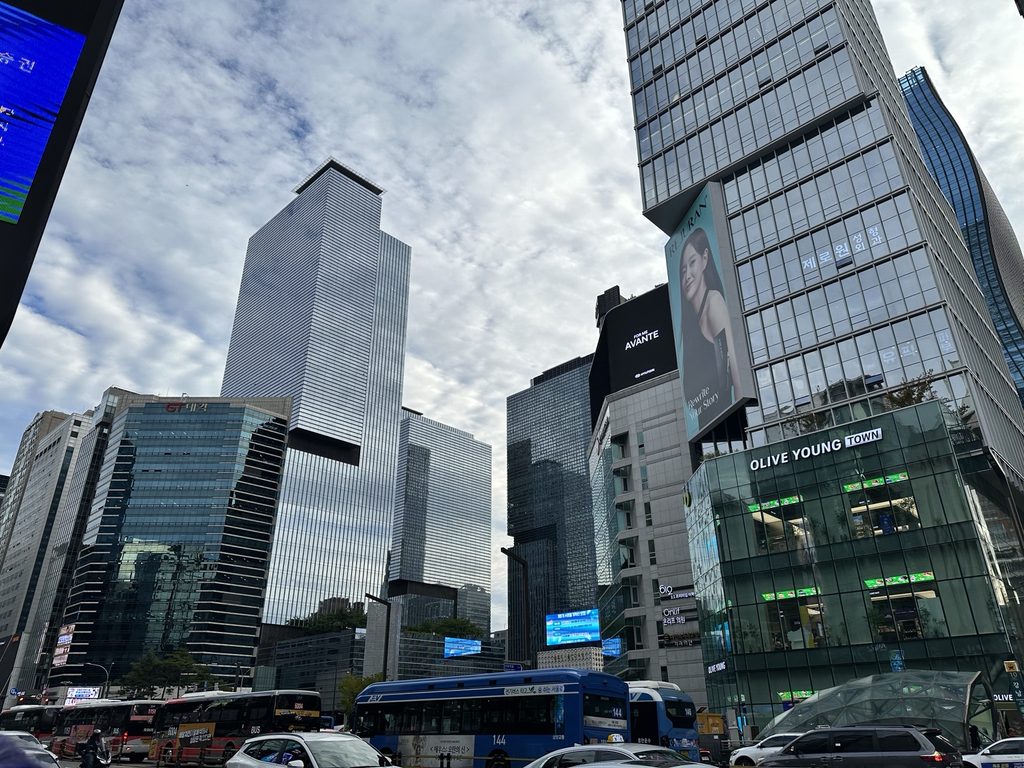
It is Seoul turned up to maximum volume.
Below ground, the commercial environment continues with clothing, accessories, food, flowers and countless small services.
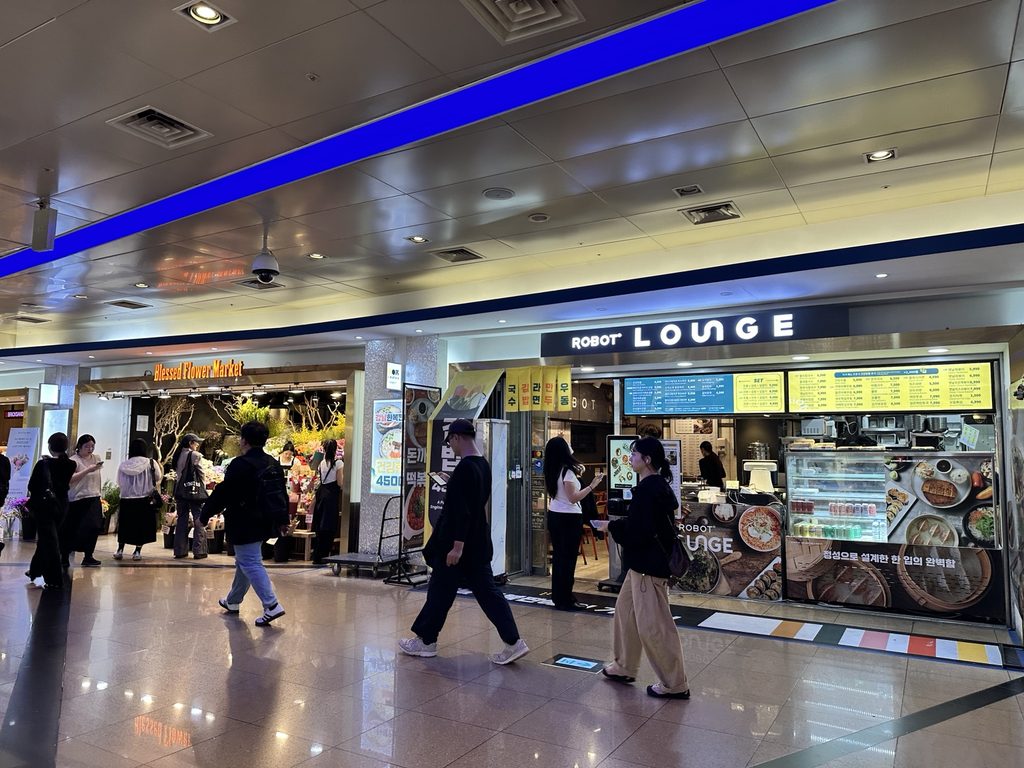
It is convenient, energetic and busy.
But the question I kept returning to was:
Why would I choose to sleep here?
That is not criticism.
It is the difference between a place that is convenient and a place that gives your trip a reason to be there.
Gangnam Station has almost everything you could need. The harder question is whether it has anything you specifically came to Seoul for.
If your work, appointments, restaurants or nightlife are concentrated nearby, it can be a great base.
Otherwise, convenience alone would not make it my first choice.
Samseong / COEX: The Self-Contained Gangnam Option
Samseong offers yet another Gangnam.
Large hotels, COEX, shopping, dining, exhibitions, business facilities and Bongeunsa Temple are concentrated within a relatively convenient area.
For business travelers and people attending events, the appeal is obvious.
It can also work well for families who value indoor convenience and easy access to shopping, food and activities.
This is not where I would go looking for old Seoul.
It is polished, functional and easy.
Sometimes that is exactly what you need.
My take
For most first-time visitors with a classic sightseeing itinerary, I would stay north of the Han.
For a second or third visit — or a trip built around beauty, medical care, dining, shopping, business or modern Seoul — Gangnam begins to make much more sense.
A simple way I think about the difference is:
North of the Han, many visitors go out to discover Seoul.
In Gangnam, much of what you want has already been brought to you.
7. Jamsil: When Lotte World Is Part of the Plan
Best for: Lotte World, families with a Lotte-focused itinerary, East Seoul, repeat visitors, events in the Jamsil area
Having children is not, by itself, a reason to stay in Jamsil.
That distinction matters.
Jamsil becomes compelling when Lotte World — or East Seoul more broadly — is already a major part of your trip.
Think of the Lotte Hotel World area as a base.
From there, Lotte World, shopping, restaurants, KidZania and other family activities are concentrated within an unusually self-contained environment.
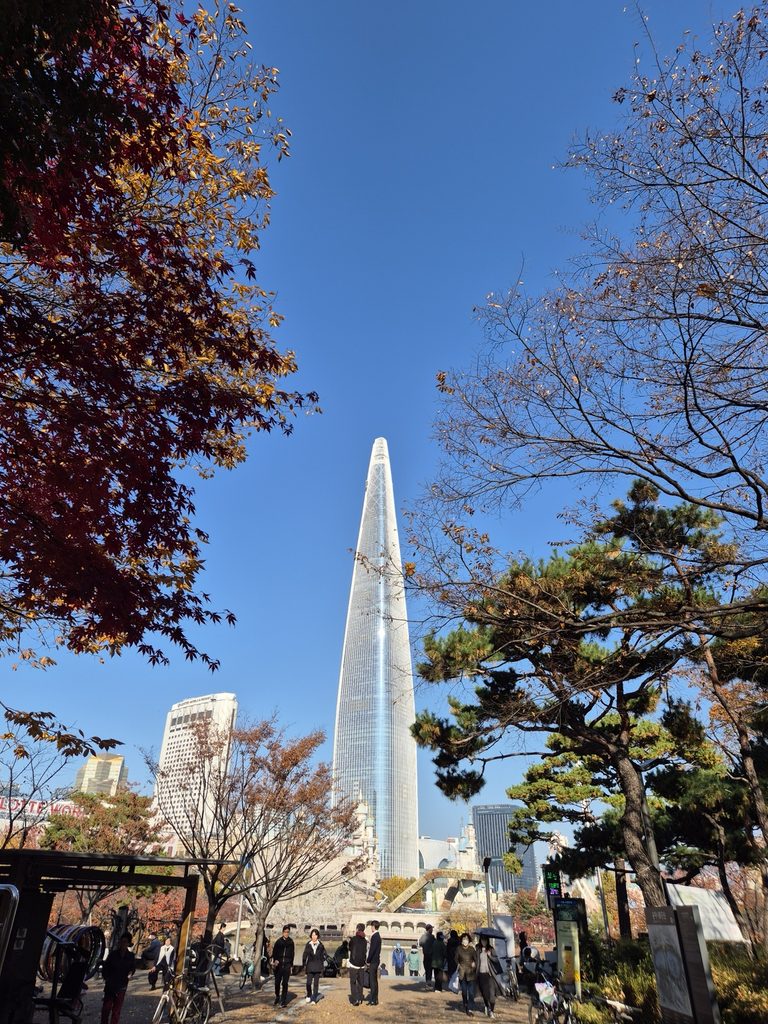
With children, that can be wonderful.
You do not need to drag everyone across Seoul every time someone is hungry, tired, bored or suddenly needs a bathroom.
A remarkable amount of the day can happen within the same large complex.
And then there is Seokchon Lake
The lake gives Jamsil something the malls cannot.
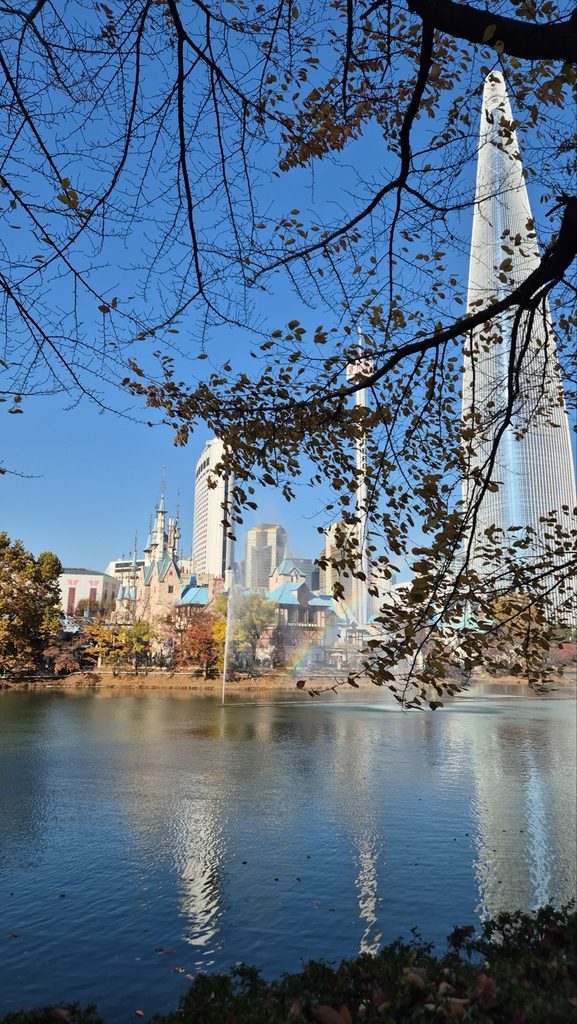
It is good for a morning run, an evening walk, cherry blossoms in spring and foliage in autumn.
Those beautiful seasonal periods can also bring very large crowds, but as an everyday amenity for someone staying nearby, the lake is genuinely pleasant.
Jamsil versus Hongdae for families
These two neighborhoods entertain families in completely different ways.
Hongdae’s neighborhood is the playground.
You go outside and wander among shops, food, games, character goods, cafés and small activities.
Jamsil’s complex is the playground.
The advantage is concentration and convenience.
The trade-off is that outside the major Lotte environment, I do not think most first-time visitors will find several days of endlessly changing neighborhood experiences in the same way they might in Central Seoul.
Personally, one full Jamsil day is enough for me unless Lotte World itself is a major attraction for the family.
Location matters
Jamsil works particularly well with an eastern itinerary.
Seongsu is relatively convenient. Samseong/COEX is nearby, and Apgujeong and Cheongdam are reasonable destinations.
Central and western Seoul are another matter.
If most of your days are going to Jongno, Bukchon, Myeongdong and Hongdae, I would rather sleep closer to those places than repeatedly cross the city.
My take
If a friend with two children were visiting Seoul for the first time for five nights with no itinerary yet, I would choose Myeongdong over Jamsil.
There is simply more variety for a first introduction to Seoul.
But show me an itinerary with multiple Lotte World days, activities around Jamsil, Seongsu and COEX, or a family that has already explored Central Seoul on previous trips, and my answer can change.
Don’t stay in Jamsil simply because you plan to visit Lotte World once. Stay in Jamsil when Lotte World — and East Seoul — are already part of the trip.
So, Where Would I Stay?
After walking these neighborhoods again, I would not rank them from best to worst.
I would match them to the trip.
First trip with no special requirements?
Start with Myeongdong.
You came to Seoul dreaming about palaces, hanok and traditional streets?
Look at Jongno or Bukchon.
You want to walk outside and immediately have something to eat, buy, see or do?
Hongdae.
You follow fashion, cafés, beauty and contemporary culture?
Seongsu deserves serious consideration.
Your ideal evening involves restaurants, drinks and nightlife?
Look around Itaewon — but check that hill.
You are coming for beauty treatments, luxury, business or specific restaurants and shops?
Gangnam may make perfect sense.
Your children are counting the hours until Lotte World opens?
Now Jamsil gets interesting.
The point is not to find the neighborhood that appears most often on somebody else’s “best places to stay in Seoul” list.
It is to reduce the amount of Seoul you need to commute across in order to experience your Seoul.
Choose the neighborhood that puts more of your trip outside your door.
Next: Getting Around Seoul
Once you have chosen where to stay, the next question is how to move between all these neighborhoods without wasting half your trip figuring out transportation.
→ Read next: Getting Around Seoul — Subway, Bus, Taxi & the Apps I Actually Use