The Best Time to Visit Korea
Korea Weather by Month
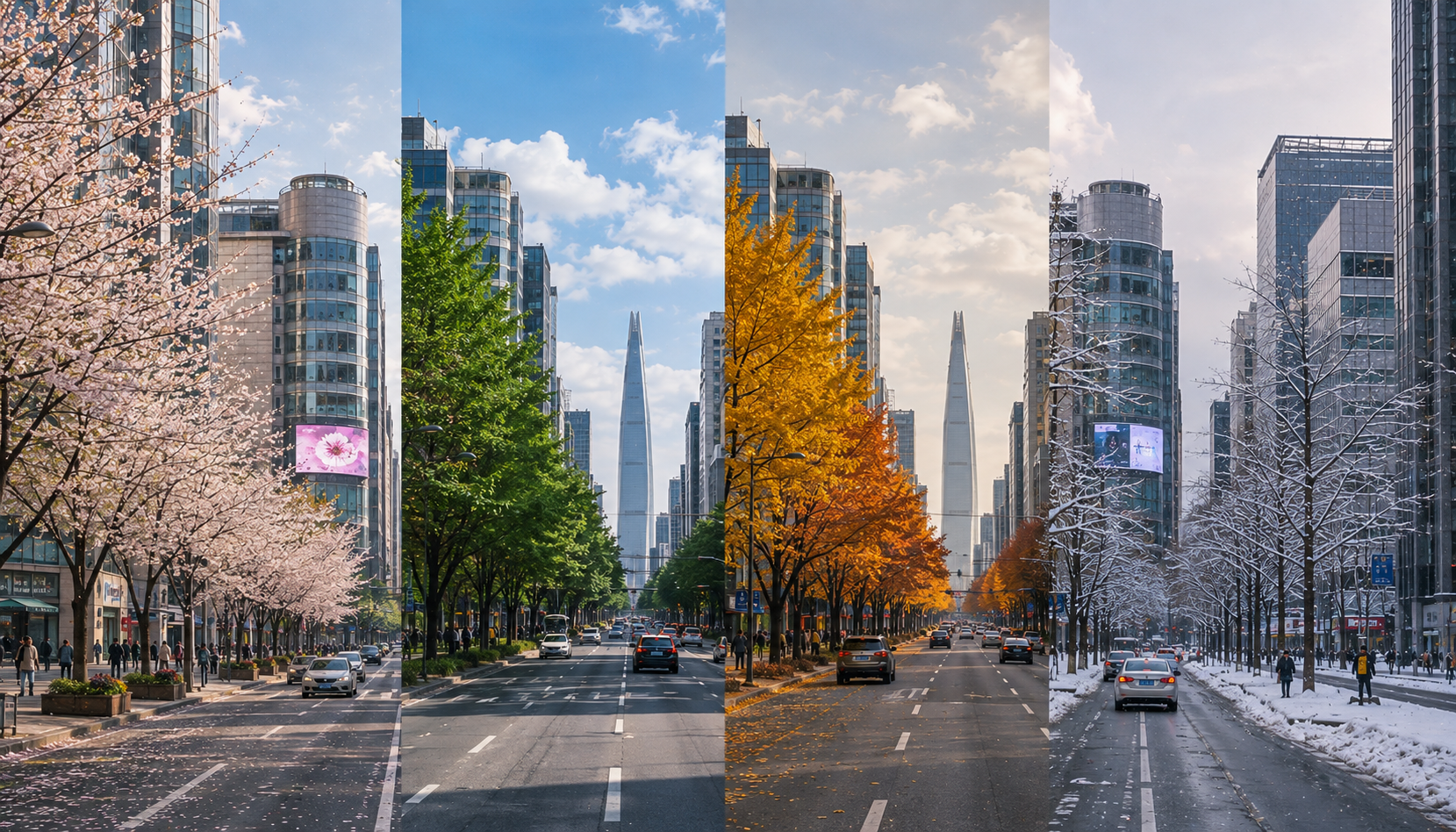
Korea has four distinct seasons, but they do not change neatly on the first day of a new month.
Early March can still feel like winter. Late May can feel surprisingly hot in direct sun. Early September may still feel like summer, while the end of the month can be wonderfully comfortable.
The descriptions below are based mainly on what travelers experience in Seoul and central Korea. Busan and Jeju are generally milder in winter, while inland and mountain regions can be colder.
Weather changes from year to year, so think of this section as a way to choose your month—not a substitute for checking the forecast before your actual trip.
January in Korea: Deep Winter
What it feels like: Very cold, dry, and often windy.
Best for: Winter lovers, skiing, indoor culture, food, shopping.
Think twice if: You dislike serious cold or expect Seoul to be covered in snow.
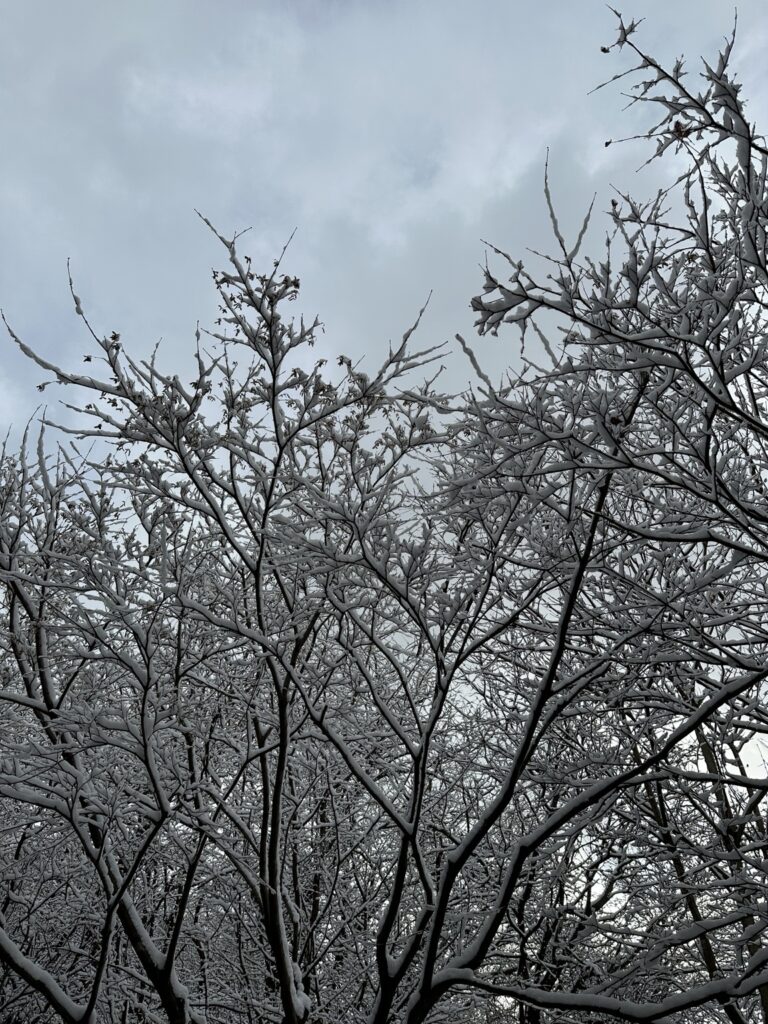
January cold in Korea is not decorative winter cold.
It is the kind that makes you pull your shoulders toward your ears when the wind moves between tall buildings. You can absolutely sightsee, but this is the month to bring a real insulated coat, gloves, warm socks, and shoes that can handle an icy patch.
Thankfully, Korea knows how to live with winter. Subways, cafés, restaurants, hotels, and shopping centers are well heated. And there are few better feelings than returning from the cold and putting your feet on a warm floor heated by ondol, Korea’s traditional floor-heating system.
This is also when a bubbling bowl of soup stops being only lunch and starts feeling like part of the winter experience.
My take: Come in January if you genuinely enjoy winter. Just don’t choose it because you expect a guaranteed snowy Seoul—snow happens, but a white city is never guaranteed.
Planning a January trip? Read my complete guide to Korea in January, including weather, what to wear, and what winter really feels like.
February in Korea: Still Winter, With the First Hint of Change
What it feels like: Still properly cold, especially early in the month.
Best for: Winter travel with fewer spring crowds.
Watch for: Lunar New Year dates, which change every year.
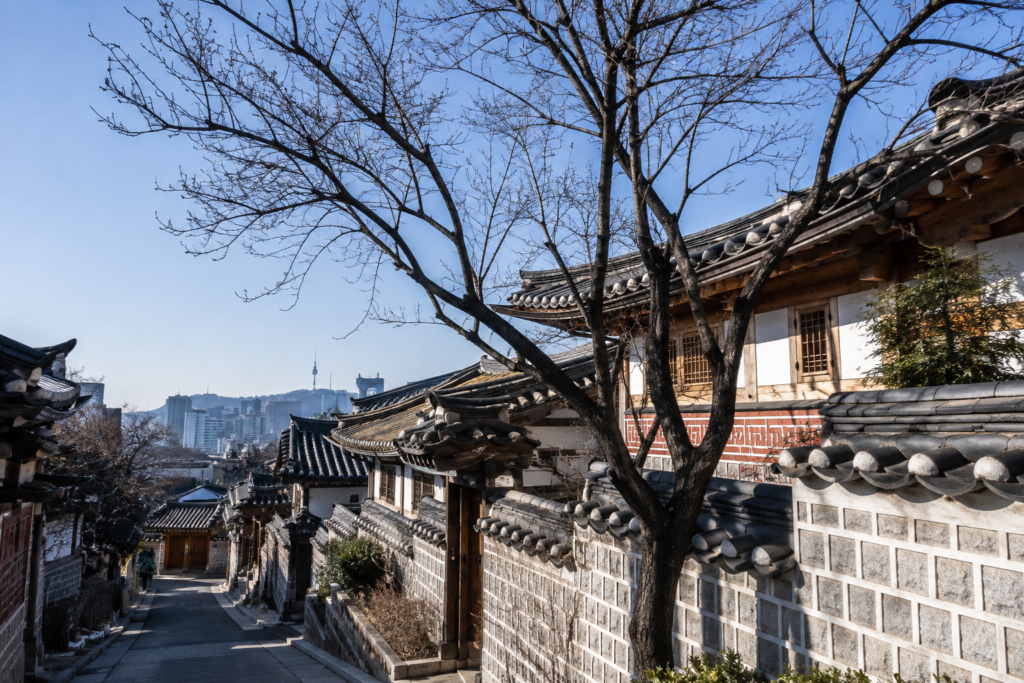
February is still winter. Some days can feel almost indistinguishable from January.
Toward the end of the month, though, there are sometimes tiny hints that the season is beginning to loosen its grip. The days slowly get longer, and occasionally the afternoon sun feels a little less hostile.
It is a good month if you don’t mind cold weather and enjoy indoor culture, food, cafés, shopping, or winter activities.
One important planning detail is Seollal (Lunar New Year). Holiday dates change each year, and transportation, opening hours, and domestic travel patterns can be affected.
My take: Pack as seriously as you would for January. Korea is not “almost warm” just because March is coming.
Planning a February trip? Read my complete guide to Korea in February, including weather, what to wear, and what late winter really feels like.
March in Korea: Looking for Spring
What it feels like: Unpredictable—winter one day, surprisingly mild the next.
Best for: Early spring atmosphere and travelers who don’t need perfect warmth.
Watch for: Temperature swings, fine dust and yellow dust.
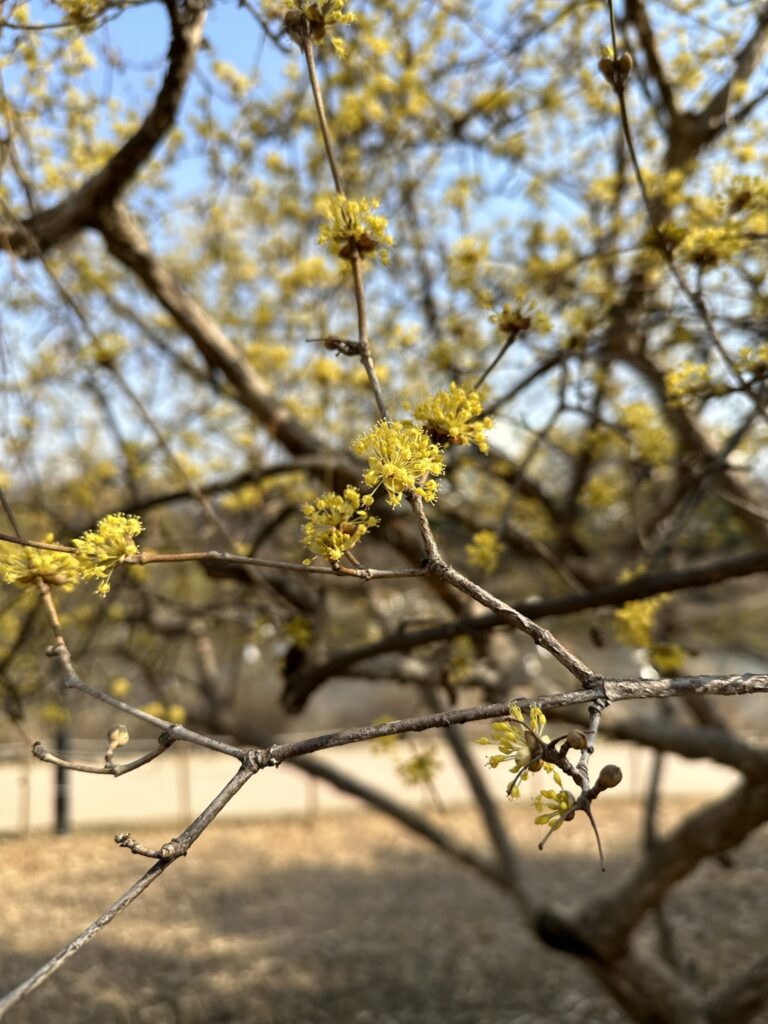
March is one of my quietly favorite months.
It is not reliably warm, and early in the month the trees in Seoul can still look bare. But after a long Korean winter, the first genuinely mild afternoon feels important.
One day you suddenly notice people sitting outside with coffee again. They walk a little more slowly. Faces turn toward the sun.
Spring hasn’t completely arrived yet—but everyone is looking for it.
Jeju’s yellow canola flowers can also bring some of the earliest strong spring color, although bloom timing varies from year to year.
Bring layers. A sunny afternoon may feel gentle, and then the temperature can drop quickly after sunset.
My take: March is better for travelers who enjoy the beginning of spring than for travelers expecting spring to have fully arrived.
Planning a March trip? Read my complete guide to Korea in March, including weather, what to wear, and what early spring really feels like.
April in Korea: Cherry Blossoms and Spring Energy
What it feels like: Mild, fresh and suddenly full of life.
Best for: First-time visitors, blossoms, walking, parks and outdoor sightseeing.
Watch for: Short bloom windows, crowds and changing spring weather.
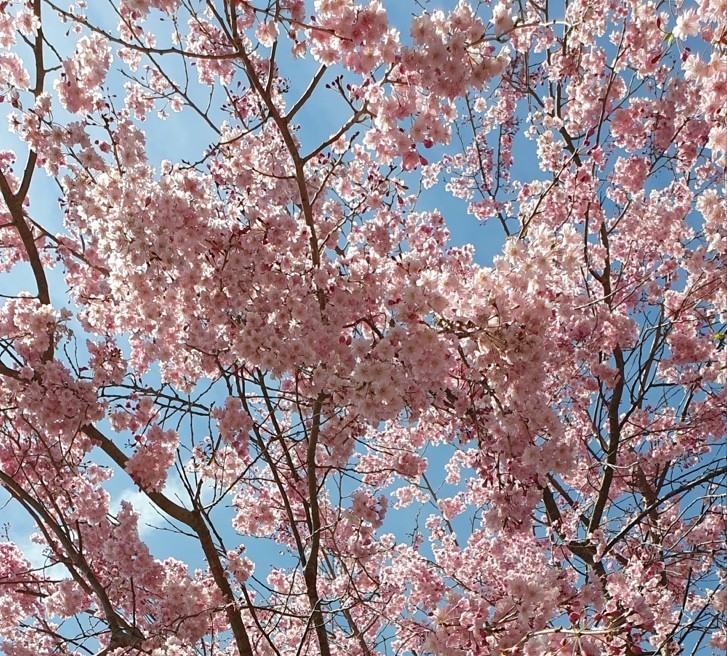
April is the Korea I would love a first-time visitor to see.
Cherry blossoms do not appear only at famous festivals. They line ordinary streets, apartment paths, rivers, university campuses and roads you never planned to visit.
That’s part of the magic.
You can simply be walking somewhere for lunch and suddenly find yourself under a pale pink canopy.
After months of winter, people are ready to be outside. Parks fill up. Cafés open their terraces. Families picnic. Couples photograph every flowering tree they can find.
And then, for a few days, petals begin floating down when the wind moves.
April is not perfect every day. Early mornings and evenings can still be chilly, spring weather changes quickly, and blossoms are much less predictable than travel marketing sometimes suggests.
My take: If you want beauty, energy and comfortable sightseeing weather in the same trip, April is extremely hard to beat.
Planning an April trip?
Read my complete guide to Korea in April, including weather, what to wear, cherry blossom timing, and what spring actually feels like in Korea.
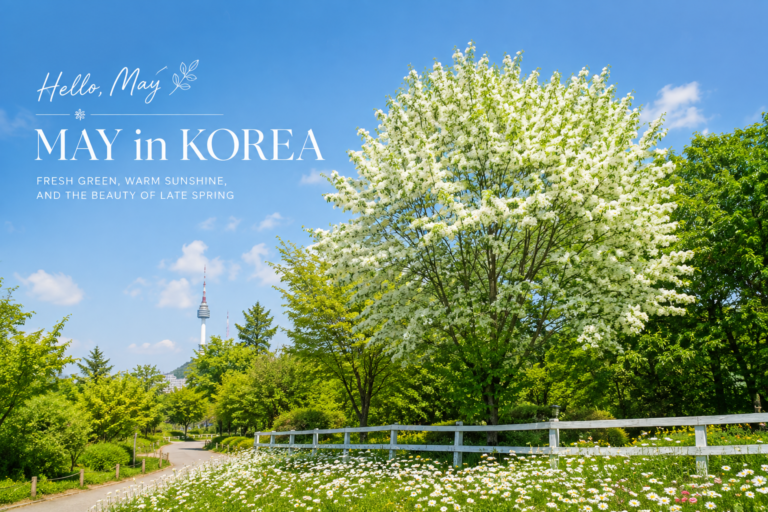
May in Korea: Warm, Green, and Easy
What it feels like: Warm spring with lush greenery and increasingly strong sun.
Best for: Easy sightseeing without chasing blossom dates.
Watch for: Strong afternoon sun and holiday crowds.
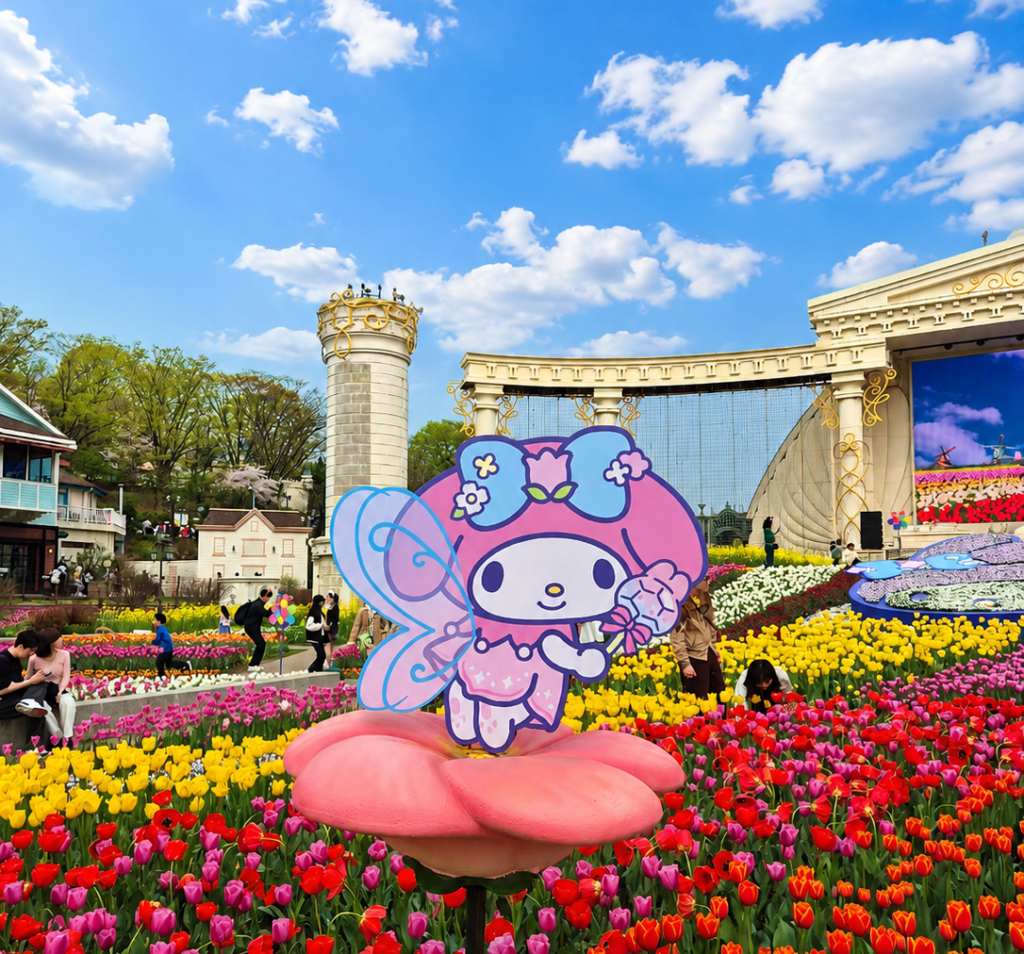
May is one of the easiest months to enjoy Korea.
The landscape is green, the weather is warmer, and most days work beautifully for palace visits, markets, neighborhoods, day trips and evenings outside.
And unlike April, there is no pressure to organize your vacation around a flower that might peak several days earlier or later than expected.
Strong afternoon sunshine can make May feel warmer than the temperature suggests, so sunscreen matters. Popular family attractions can also become busy around Children’s Day and other holidays.
My take: If you want spring Korea without gambling on cherry-blossom timing, May is an excellent choice.
Planning a trip in May?
Read my complete guide to Korea in May for weather, what to wear, holidays to know, and what late spring really feels like in Korea.
June in Korea: The Window Before Peak Summer
What it feels like: Warm and increasingly humid as summer approaches.
Best for: Travelers wanting summer energy before the most intense heat.
Watch for: Rainy-season timing, particularly later in the month.
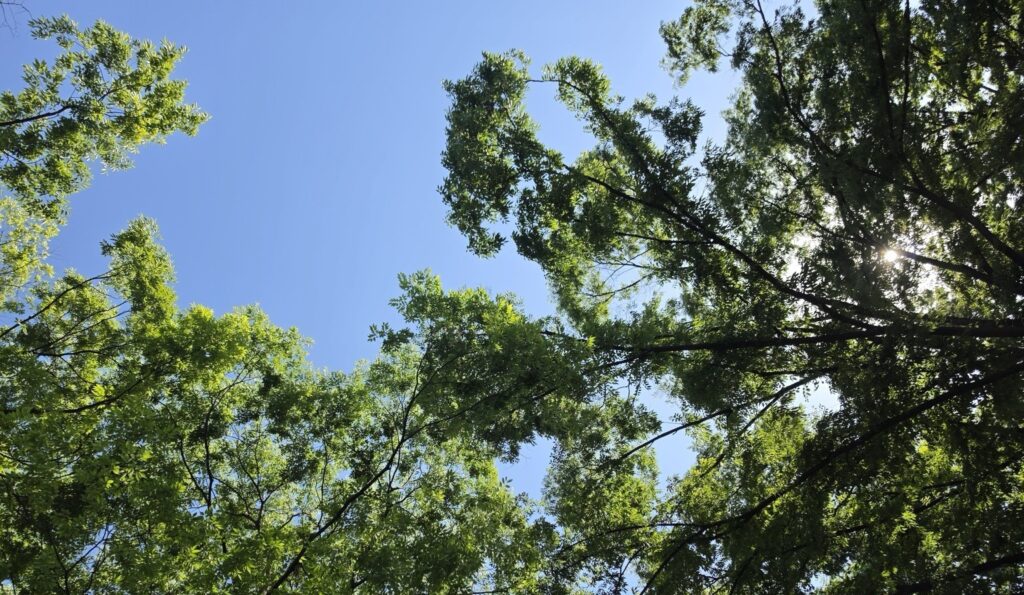
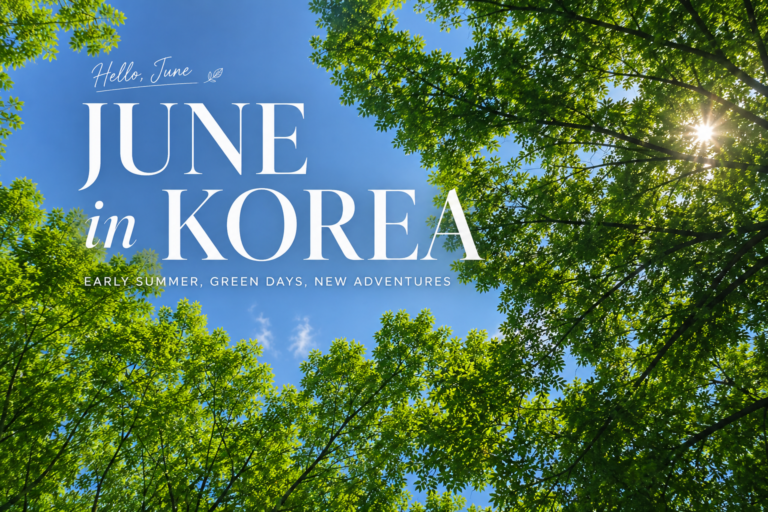
June is a month I personally like more than many travel rankings suggest.
Early June can give you warm days without the full force of late-summer heat. Evenings can be pleasant, everything is green, and Korea feels fully alive.
But June is a transition month.
Humidity increases as the month progresses, and the summer rainy season can begin, with timing varying each year and by region. Jeju and southern Korea may enter wetter conditions earlier than Seoul.
Pack breathable clothes, comfortable quick-drying shoes and a compact umbrella.
My take: June can be a very useful travel window, especially earlier in the month—but don’t build an itinerary that collapses if rain appears.
Thinking about an early-summer trip? Read my complete guide to Korea in June for weather, what to wear, and what the month really feels like in Seoul.
July in Korea: Humidity Is the Real Story
What it feels like: Hot, extremely humid and potentially very wet.
Best for: Travelers happy to mix outdoor activities with lots of indoor breaks.
Think twice if: Your dream trip involves walking outside from breakfast until dinner.
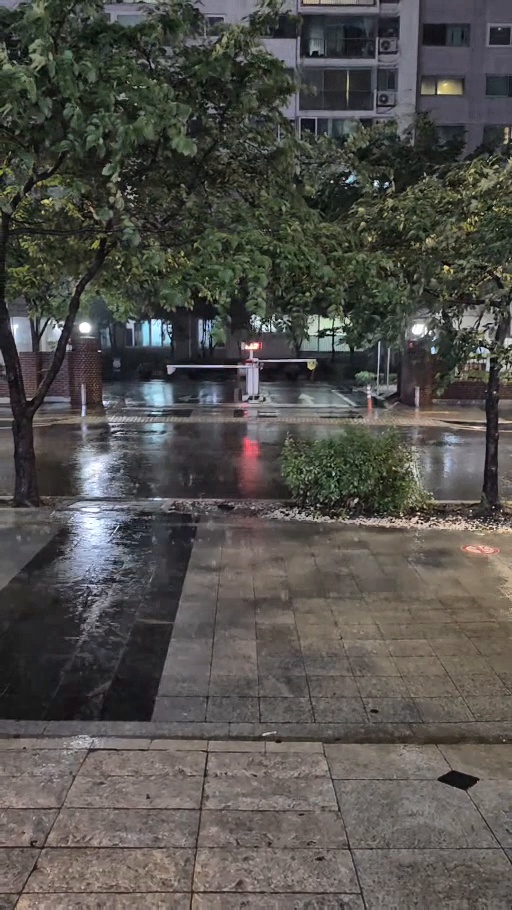
July sits at the bottom of my personal ranking for sightseeing.
Many guides focus on rain. If you asked me what actually wears me out, though, I would say humidity.
You can look outside, see no rain and think, Great, let’s walk.
Then you step outside.
The air seems to wrap around you. Your clothes stop feeling fresh almost immediately. The distance between two attractions hasn’t changed, yet somehow it feels twice as long.
The good news is that Korea is exceptionally good at escape. Duck into an air-conditioned café, take the subway to another neighborhood, wander through a mall or museum, cool down over an iced drink, and continue when you’re ready.
My take: Don’t try to defeat July. Travel with it. Shorter outdoor blocks + comfortable indoor breaks make an enormous difference.
Planning a trip in July?
Read my complete guide to Korea in July for weather, what to wear, the rainy season, summer humidity, and how to plan your days in Seoul.
August in Korea: Heat-Wave Season
What it feels like: Very hot, humid and physically demanding during heat waves.
Best for: Nightlife, beaches, water activities and indoor city experiences.
Watch for: Heat advisories, tropical nights, typhoons and coastal travel disruptions.

If July’s signature is humidity, August’s is often intense heat.
I have lived through hot New York summers, so heat itself wasn’t new to me. But Korean summer can combine serious heat with much more moisture in the air.
That’s the difference many international visitors underestimate.
The number on your weather app may look familiar. The way the day feels in your body may not.
In Seoul, even stepping into the shade may not provide the relief you expect. Your skin stays damp. A short uphill walk suddenly feels like an achievement.
August can still be fun. Start early, disappear into a department store, museum or café during the hottest part of the afternoon, and come back outside after sunset.
Seoul stays awake late. On some August days, the city simply makes more sense at night.
My take: I wouldn’t choose August for an all-day walking vacation. But for someone who loves summer nights, beaches, nightlife and Korea’s indoor culture, it can still be a very lively trip.
Planning an August trip?
Read my complete guide to Korea in August, including weather, what to wear, and what late summer really feels like.
September in Korea: Summer Slowly Lets Go
What it feels like: Summer at first; increasingly comfortable toward the end.
Best for: Travelers who want improving weather without waiting until October.
Watch for: Chuseok and lingering early-month heat
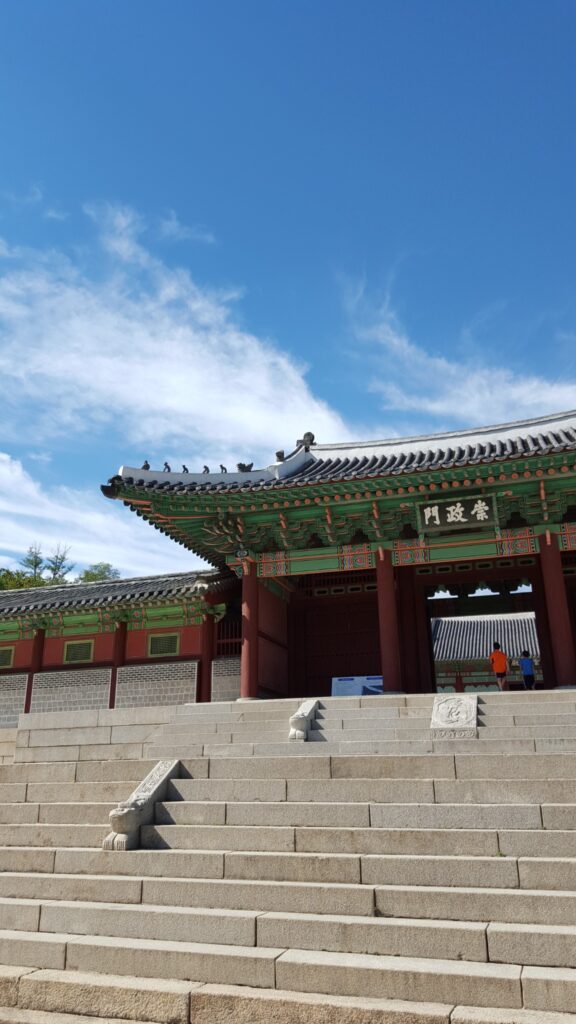
September is one of Korea’s most underappreciated months.
The beginning can still feel fully summery, so don’t land on September 1 expecting crisp autumn weather.
But little by little, something changes.
One evening you walk outside and realize you’re no longer calculating the distance to the nearest air-conditioned building. You can simply keep walking.
That first cooler evening after summer is one of my favorite seasonal transitions in Korea.
Chuseok, Korea’s major harvest holiday, can fall in September or October depending on the year. Domestic transportation becomes extremely busy and some businesses may close or adjust their hours.
My take: If October doesn’t fit your schedule, late September can be a very good alternative.
Planning a trip in September?
Read my complete guide to Korea in September for weather, what to wear, things to do, and what the transition from summer to fall really feels like in Korea.
October in Korea: The Month I Trust Most
What it feels like: Clear, comfortable and made for being outdoors.
Best for: Almost everything—walking, palaces, parks, hiking, day trips and photography.
Watch for: Cooler evenings and major festival crowds.
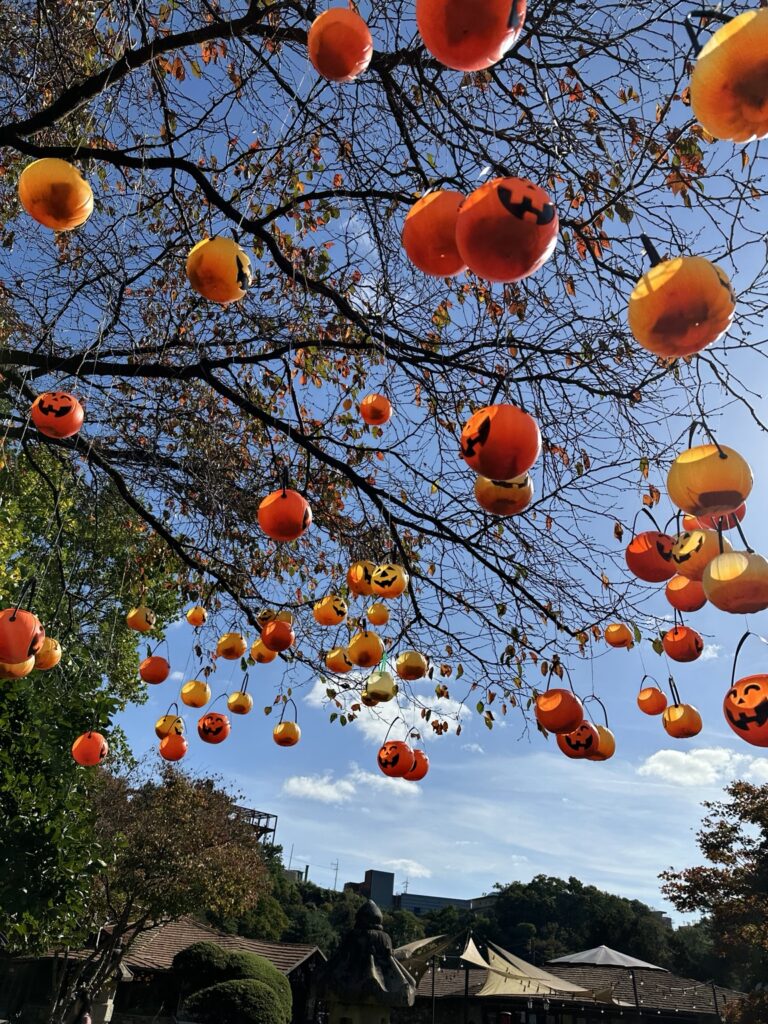
October is the month I recommend with the least hesitation.
By October, the heavy summer humidity is finally gone. After living through July and August, it almost feels like getting the city back.
The air becomes cooler. The sky looks unusually high and blue. Walking around Seoul becomes enjoyable again instead of physically demanding.
You can wander through a palace in the morning, walk through a neighborhood in the afternoon, sit beside the Han River before sunset and still have enough energy for dinner.
In summer, that itinerary can feel ambitious.
In October, it feels natural.
My version of a perfect Korean autumn day is very simple: walk around Seoul without a strict plan, stop beside the Han River, make convenience-store ramen, eat outside while the evening air turns cool—and, if the timing happens to line up, watch the Seoul International Fireworks Festival light up the sky.
My take: If weather reliability matters more to you than cherry blossoms, October gets my slight edge over April.
Planning an October trip?
Read my complete guide to Korea in October for weather, what to wear, autumn scenery, and why October is one of my favorite times to experience Korea.
November in Korea: From Autumn Color to Bare Branches
What it feels like: Crisp and beautiful early on; noticeably colder and more subdued later.
Best for: Cooler travel, late foliage and travelers who prefer fewer peak-season crowds.
Watch for: Foliage timing—the difference between early and late November can be dramatic.
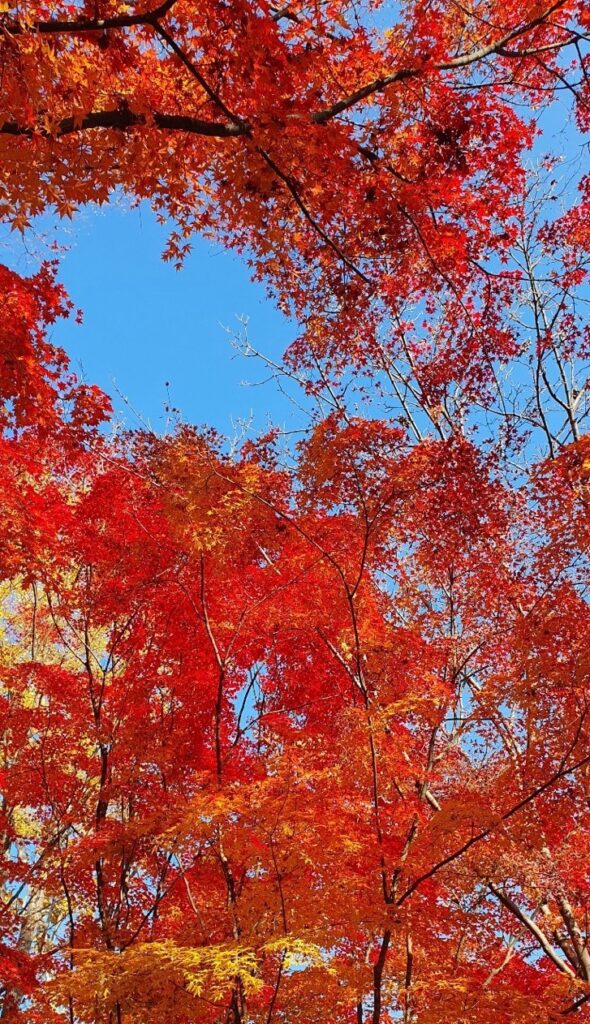
I used to think of November mainly as the month when Korea’s autumn color was already disappearing. That’s true later in the month, but it’s too simplistic for the whole month.
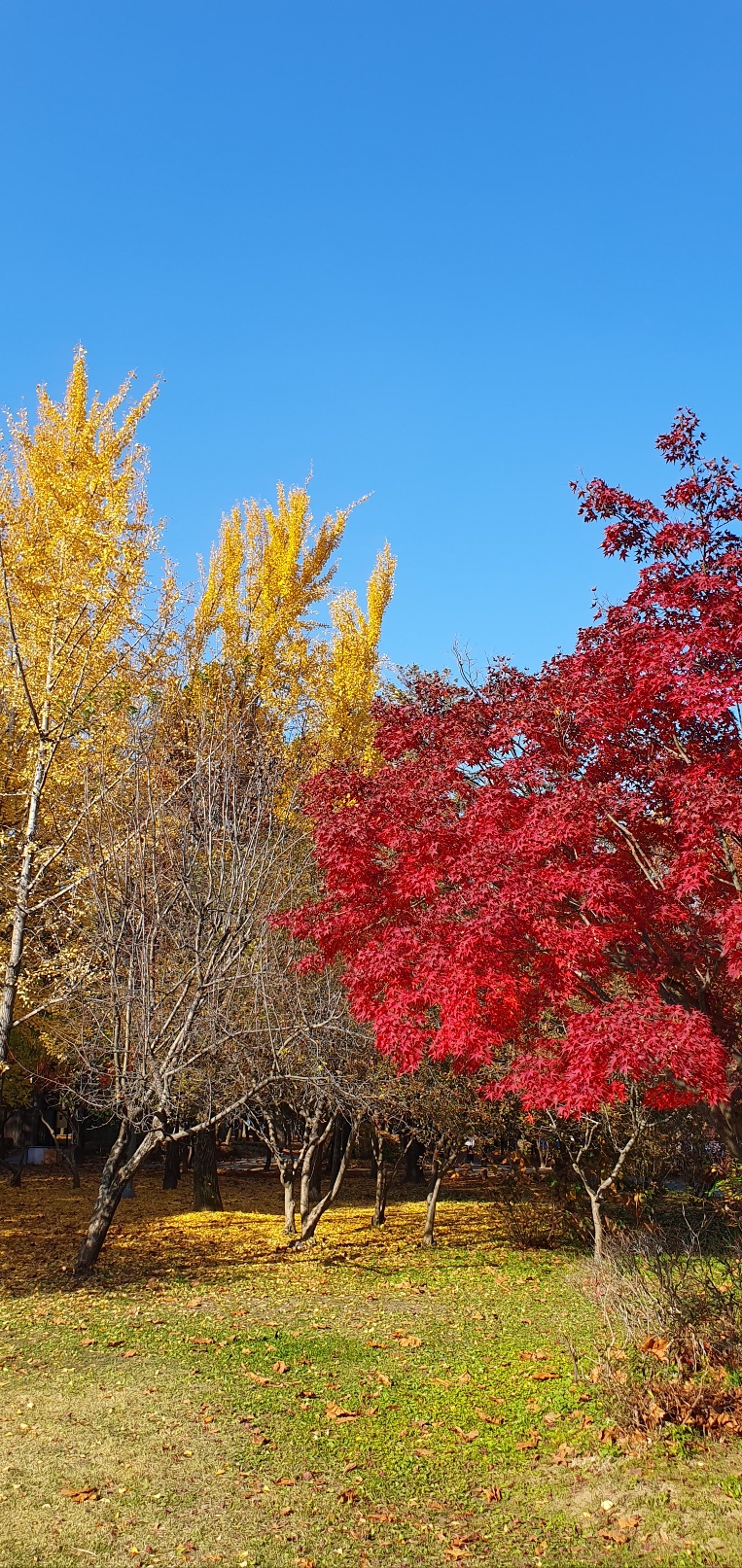
Early November can still be spectacular.
Depending on the year, region and elevation, you may find brilliant red maples, golden ginkgo trees and late-autumn grasses—sometimes while Seoul itself is already beginning to feel noticeably colder.
Then the transition can happen quickly.
Leaves fall. Bare branches appear. Coats become heavier. The bright celebration of October begins turning into the quieter feeling of winter approaching.
To me, late November feels as though the year is quietly packing itself away.
My take: Don’t write November off. Early November can be gorgeous. But if foliage is the main reason for your trip, check current regional conditions rather than assuming the whole month looks the same.
Planning a November trip?
Read my complete guide to Korea in November for weather, what to wear, fall foliage timing, and what late autumn really feels like in Korea.
December in Korea: Cold, Festive, and Bright After Dark
What it feels like: Proper winter—cold and dry, but increasingly festive.
Best for: Holiday atmosphere, winter food, shopping and cozy indoor experiences.
Don’t expect: Guaranteed snow or a guaranteed white Christmas.
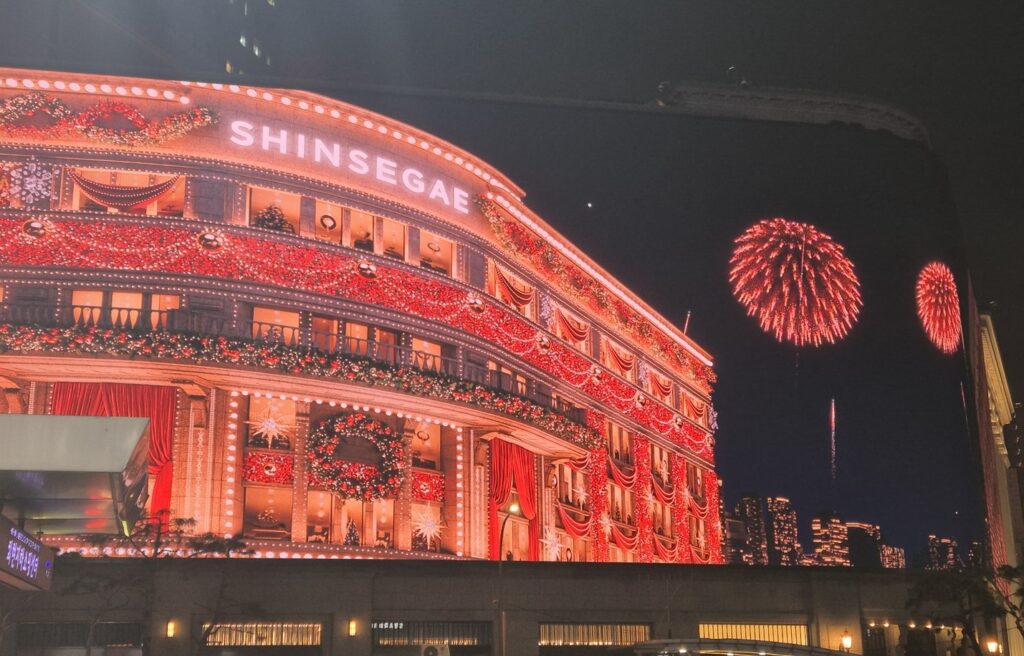
December is cold—but I rank it higher than some milder months because it has atmosphere.
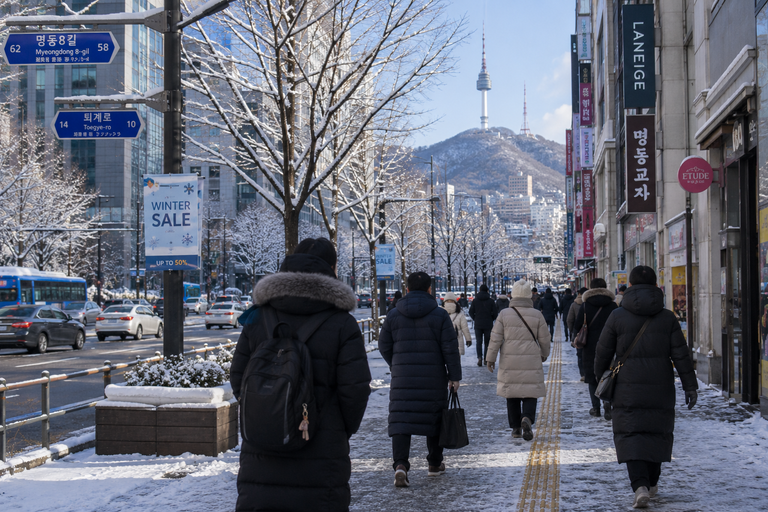
By December, Seoul is unmistakably in winter. The air is dry, coats are heavy, and after sunset the cold can become much sharper.
But the city also becomes brighter.
Department stores unveil elaborate holiday displays. Giant Christmas trees appear in shopping complexes and hotels. Cafés turn into warm refuges, and busy shopping districts can feel more energetic after dark than they do during the day.
This is also when Korean winter food earns its reputation. Bubbling soup, grilled meat, roasted sweet potatoes and warm street snacks taste different when you arrive with cold hands.
And then you return to a heated room, sit on a warm ondol floor and understand why Korean winter isn’t only something to endure.
One expectation I would manage carefully: don’t come to Seoul expecting a guaranteed white Christmas. Snow is possible in December, but some years and some weeks are simply cold and dry.
My take: Come for the winter atmosphere, lights, food and cozy contrast between freezing streets and warm interiors—not because you expect postcard-perfect snow.
Planning a December trip?
Read my complete guide to Korea in December for winter weather, what to wear, Christmas atmosphere, snow expectations, and what December really feels like in Korea.